Myrtle Beach Garage Door Guide
When Your Spring Goes on a Cold Myrtle Beach Morning
Myrtle Beach houses built 1986-2006 are due for spring replacement. Here's what a cold snap does to that original hardware and when to call it quits.
- Licensed & Insured
- Same-Area Service Calls
- Upfront Pricing
When to Get Help
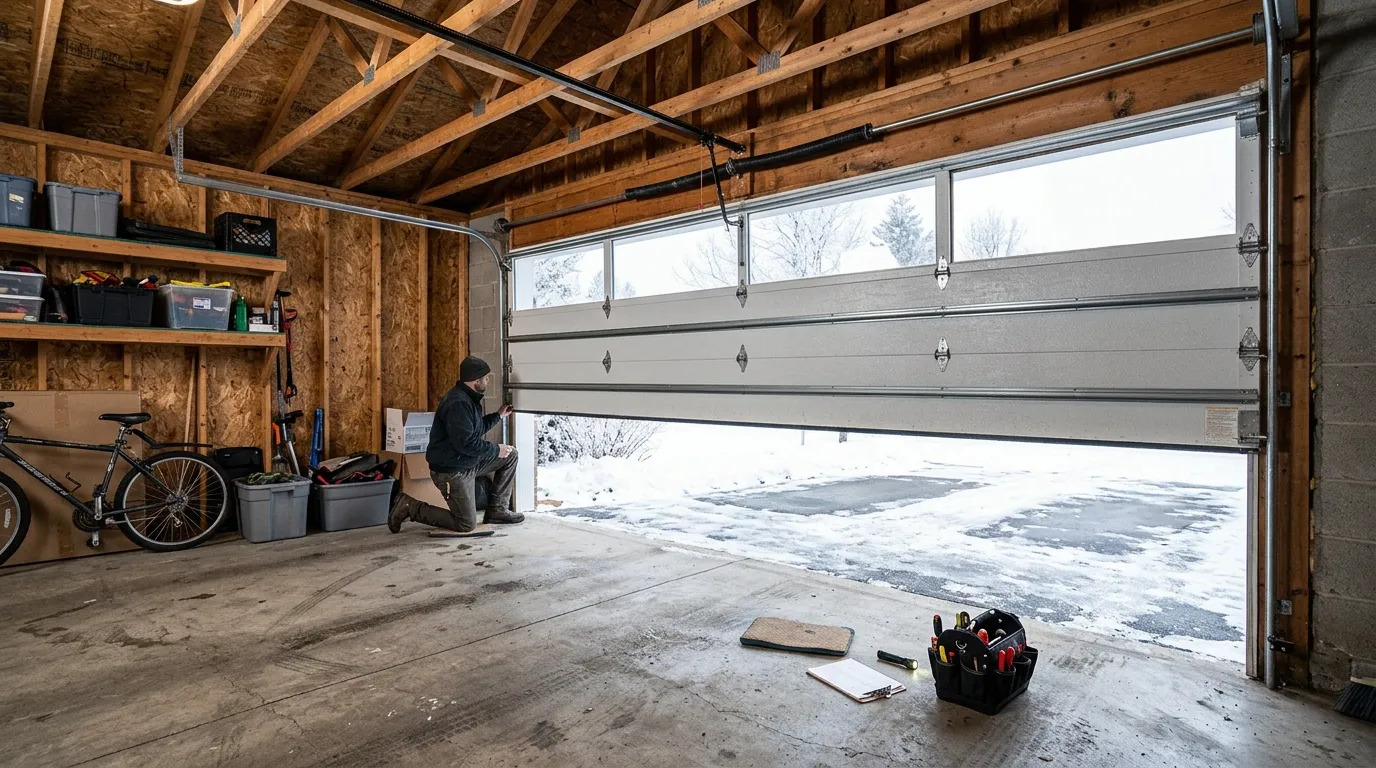
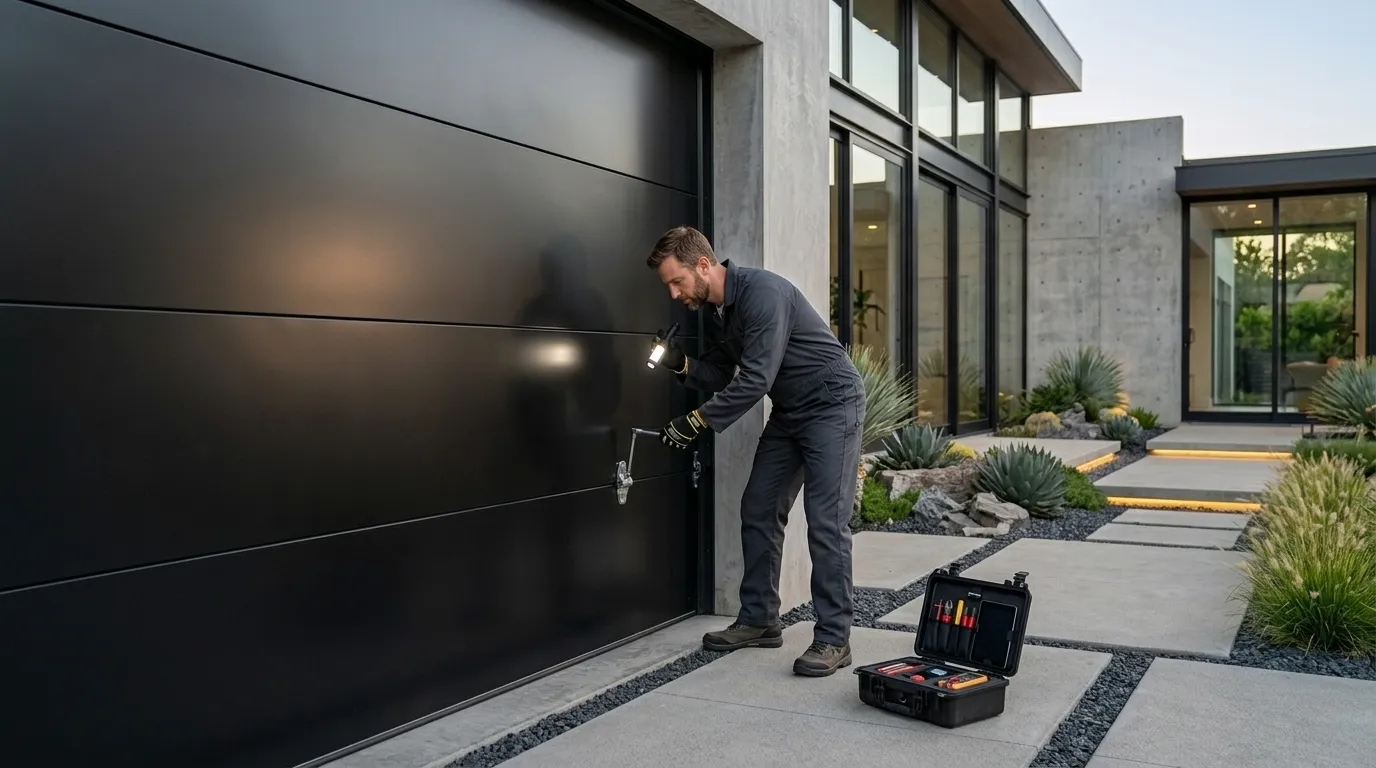
If the door won't budge, or it moves an inch and stops, don't keep hitting the button. A torsion spring under tension that's failed or is failing can snap the rest of the way while you're standing under it. Call for help the same day if you hear a bang from the garage, see a visible gap in the coil, or the door slams down instead of lowering slowly.
Most of the housing stock around here went up between 1986 and 2006, with a lot of it clustered in the 1990s. That means a huge share of doors in this service area are running on hardware that's 20 to 35 years old - original springs, in many cases, since a lot of owners never think about the spring until it fails. A spring rated for 10,000 cycles doesn't care how mild the winters are; age and cycle count catch up with it regardless.
One honest limitation: if the spring has already broken and the door is down, we're not going to try to force it up to "just check something." That's how cables and drums get damaged on top of the spring. We wait for the tech and the right tools.
What to Check
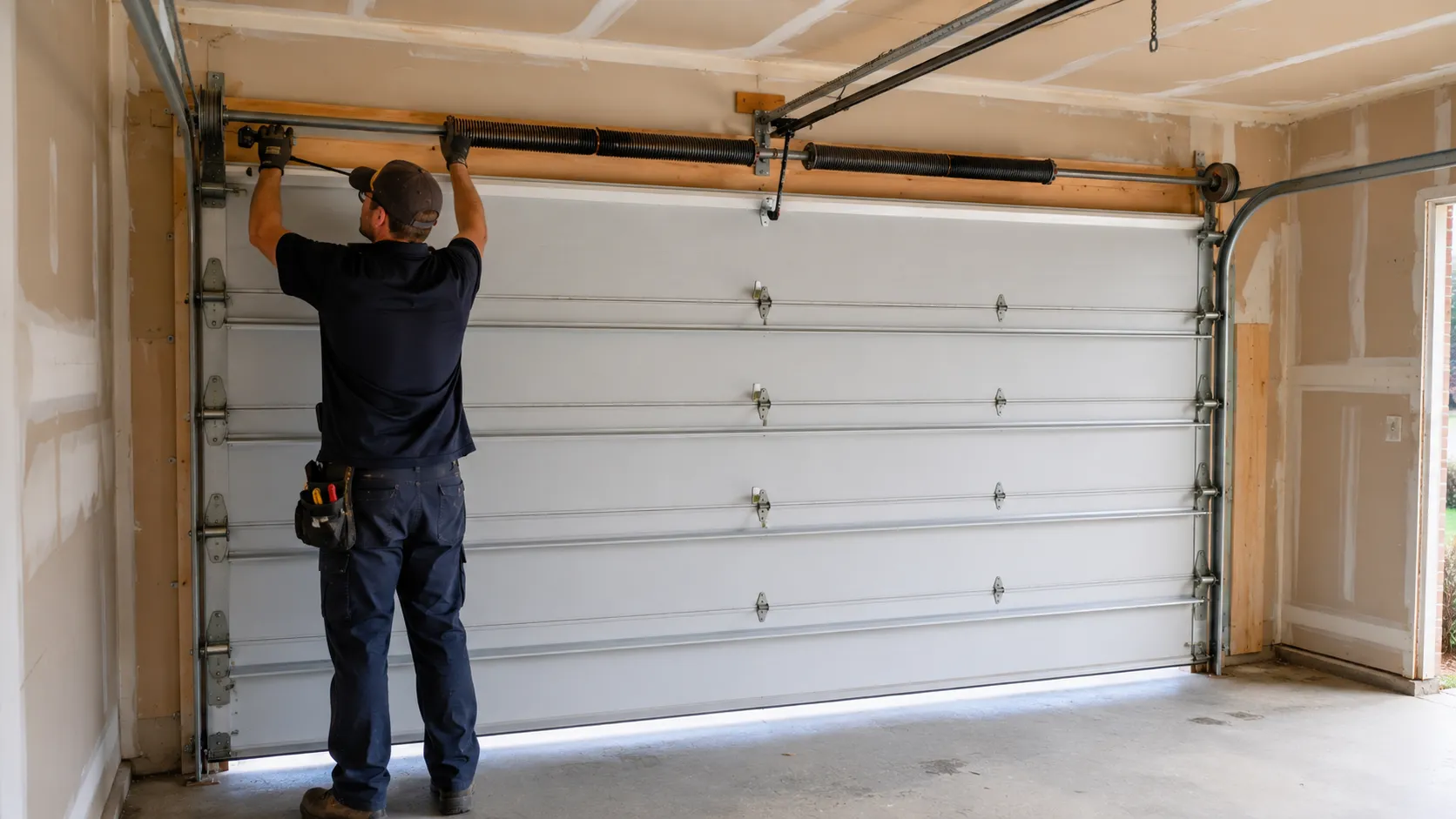
Before you call, look at two things. First, is the coil of the spring above the door intact, or is there a visible split with a gap between the ends? Second, does the door feel heavier than usual when you lift it by hand with the opener disconnected - that's a spring losing tension before it fully lets go.
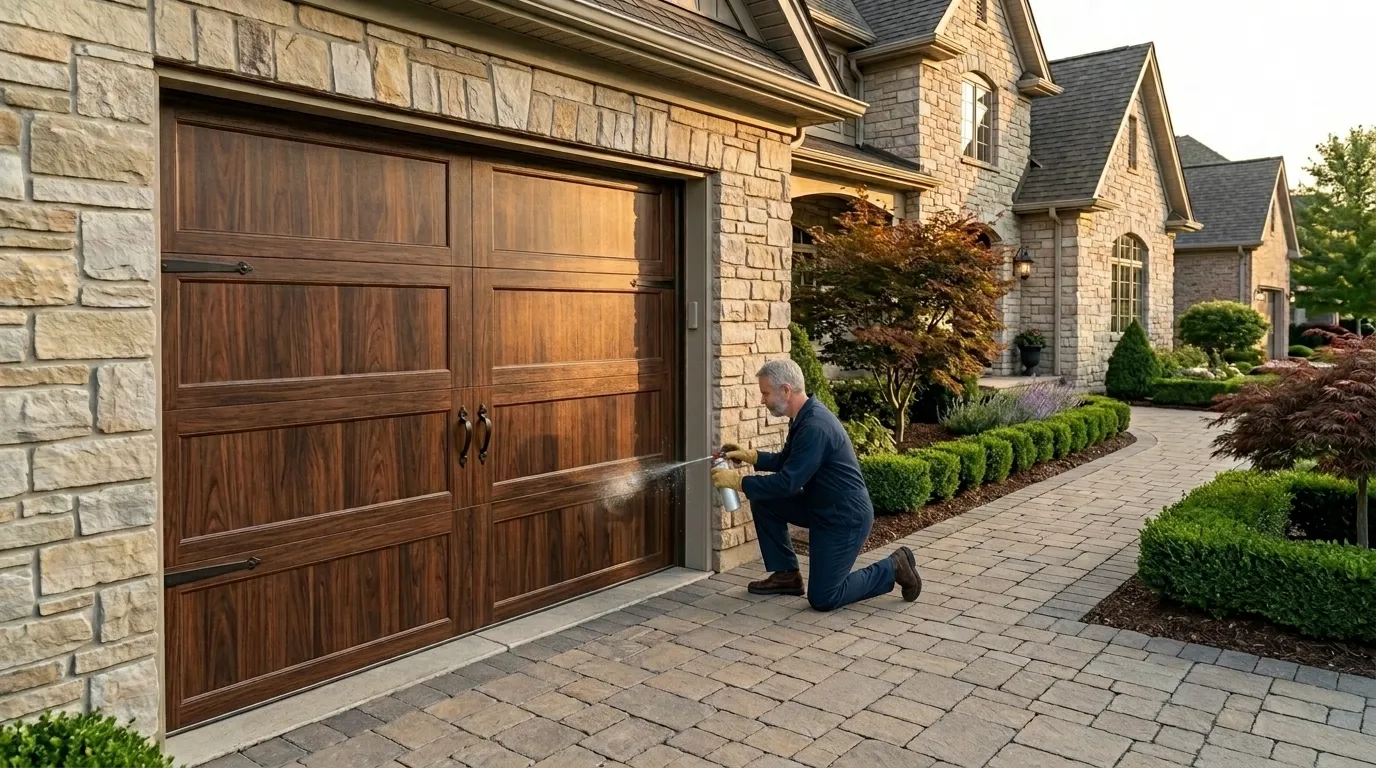
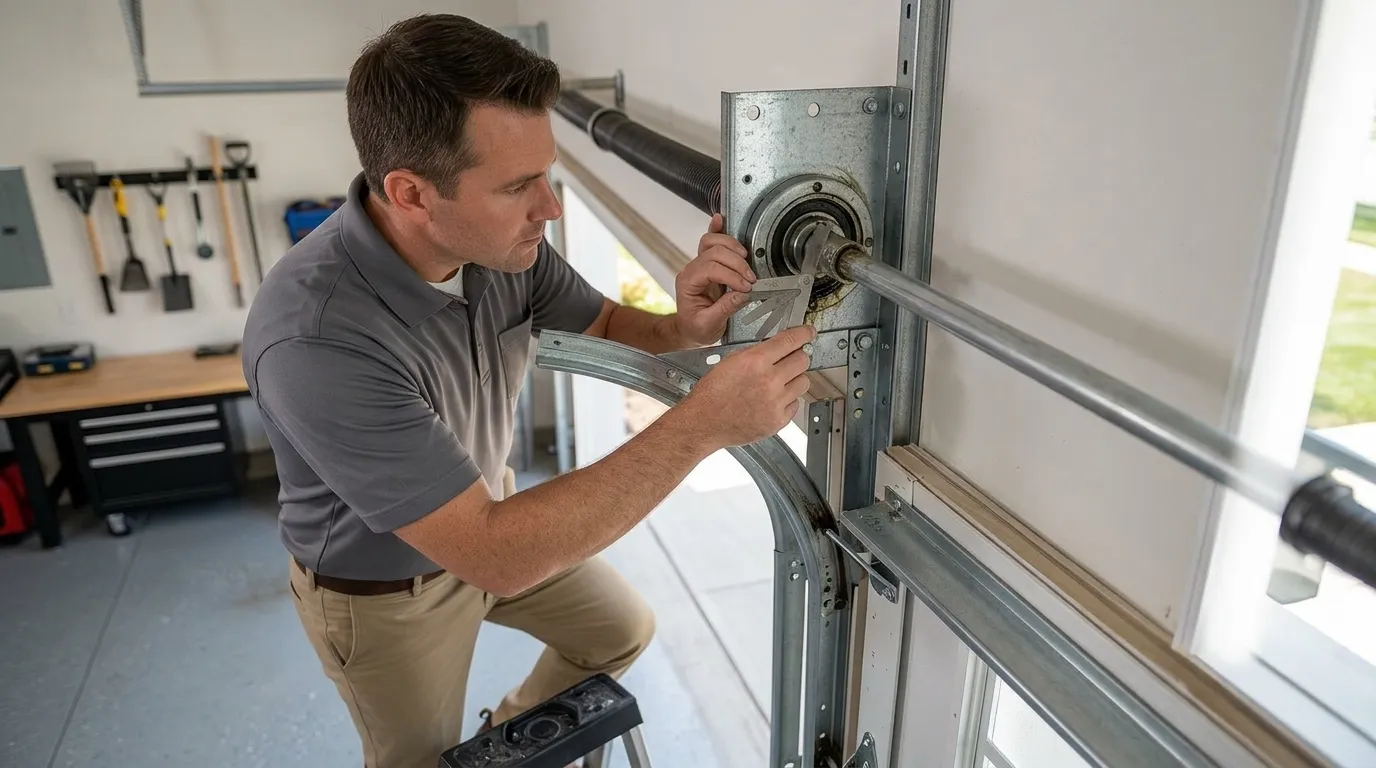
With a climate band that's mild most of the year but still sees occasional freezes, steel spring wire that's been sitting through decades of temperature swings gets brittle at the point of most fatigue, usually near the end coils. A cold snap doesn't cause the failure by itself, but it's often the final push on a spring that was already near the end of its 1980s-90s-era service life. Don't lubricate a spring that's already showing a gap - that's a job for a torsion bar, winding bars, and a tech who does this daily, not WD-40.
The Problem
Here's the pattern we see across this stretch of coastal South Carolina: a house built sometime in the 1986-2006 window still has its original torsion spring, nobody's replaced it, and the first cold morning of the season is the day it lets go. It's not really a weather problem - it's a 30-year-old part meeting one more cold start.
The area runs mostly mild with only occasional freeze mornings, which is part of why springs here get overlooked. In a colder climate people replace springs on a schedule because they see the wear every winter.
Here, the mild stretches let people forget the spring exists until a cold morning finds the weak point. With median household income around $67,618 across the service area, replacing a spring before it fails is a lot cheaper than an emergency call plus the drum or cable damage a full break sometimes causes.
What Local Conditions Do
A spring that snaps on a cold morning in this area isn't reacting to ice or heavy snow load the way it might further north - there's no snow weight on the door, no ice in the track. What the occasional freeze does is stiffen the steel and reduce a small amount of flex right at the moment the spring is already at the far end of its cycle life. Combine that with a door built in the same 1980s-90s stock as most of the houses within a few miles - Carolina Forest, Forestbrook, Socastee, and the other named areas nearby - and you get a lot of near-identical failures on the same cold mornings each year.
We size the replacement spring to the actual door weight and the number of cycles you're likely to put on it, not just whatever spring happened to be on the shelf when the house was built. That's the difference between a repair that lasts another five years and one that fails again the next cold snap.
How We Can Help
Garage Door Repair
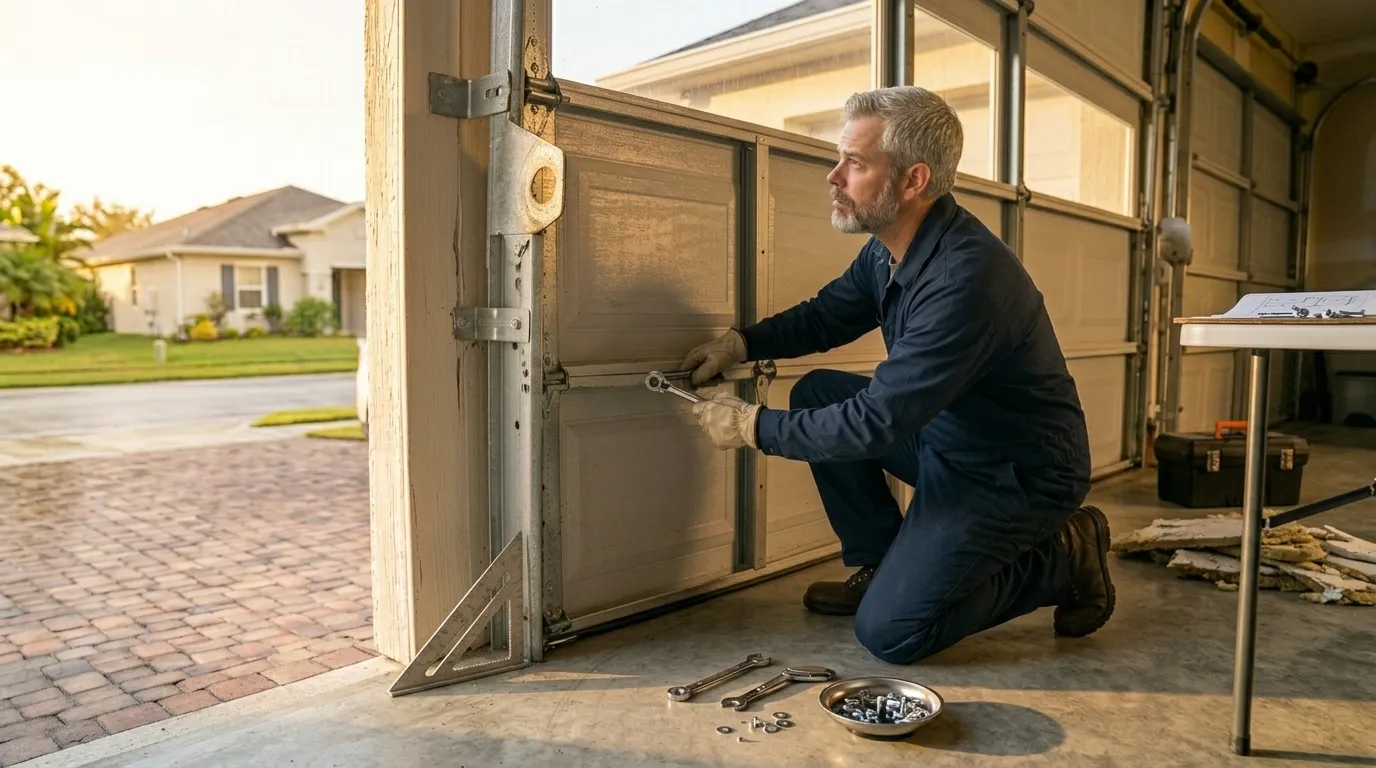
Springs, cables, tracks, rollers, and openers fixed by a tech who explains the problem before touching anything.
Learn more →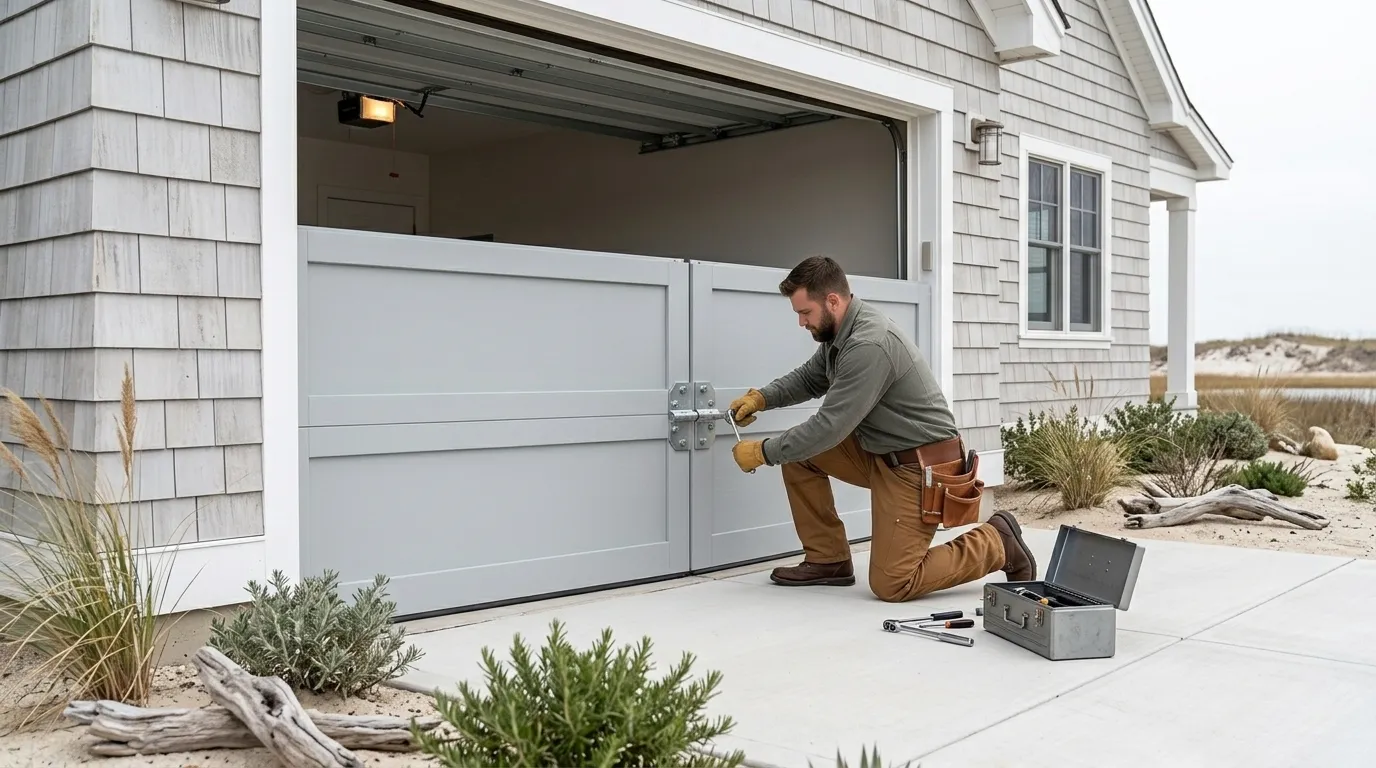
Garage Door Installation
New sectional doors sized and installed for the housing stock actually built in this area.
Learn more →
Garage Door Service
Tune-ups, lubrication, and safety checks that catch a small problem before it becomes a service call.
Learn more →Frequently Asked Questions
Why did my spring break on the one cold morning we had all year?
It's usually not the cold by itself - it's a spring that's already near the end of its life catching one more stiff, cold start. Most houses in this area are 20 to 35 years old, so the original spring is often overdue regardless of temperature.
Do I need a different spring because I live near the coast?
We size springs to your door's weight and cycle use, not to coastal exposure specifically. The bigger factor here is age of the hardware - a lot of it dates to the 1986-2006 building boom in this area and is simply due.
Is it worth replacing both springs on a double door if only one broke?
If they're the same age, usually yes - the second one is close behind. We'll tell you honestly if yours still has real life left rather than upselling a pair by default.
Get Started
Have a Door That Needs a Second Opinion?
Call and describe what it is doing - we will tell you what it likely is.