Service
Garage Door Installation for Myrtle Beach Homes
New garage door installation for Myrtle Beach homes built 1986-2006, sized to original openings and matched to our mild, humid coastal climate.
- Licensed & Insured
- Same-Area Service Calls
- Upfront Pricing
Why It Happens Here
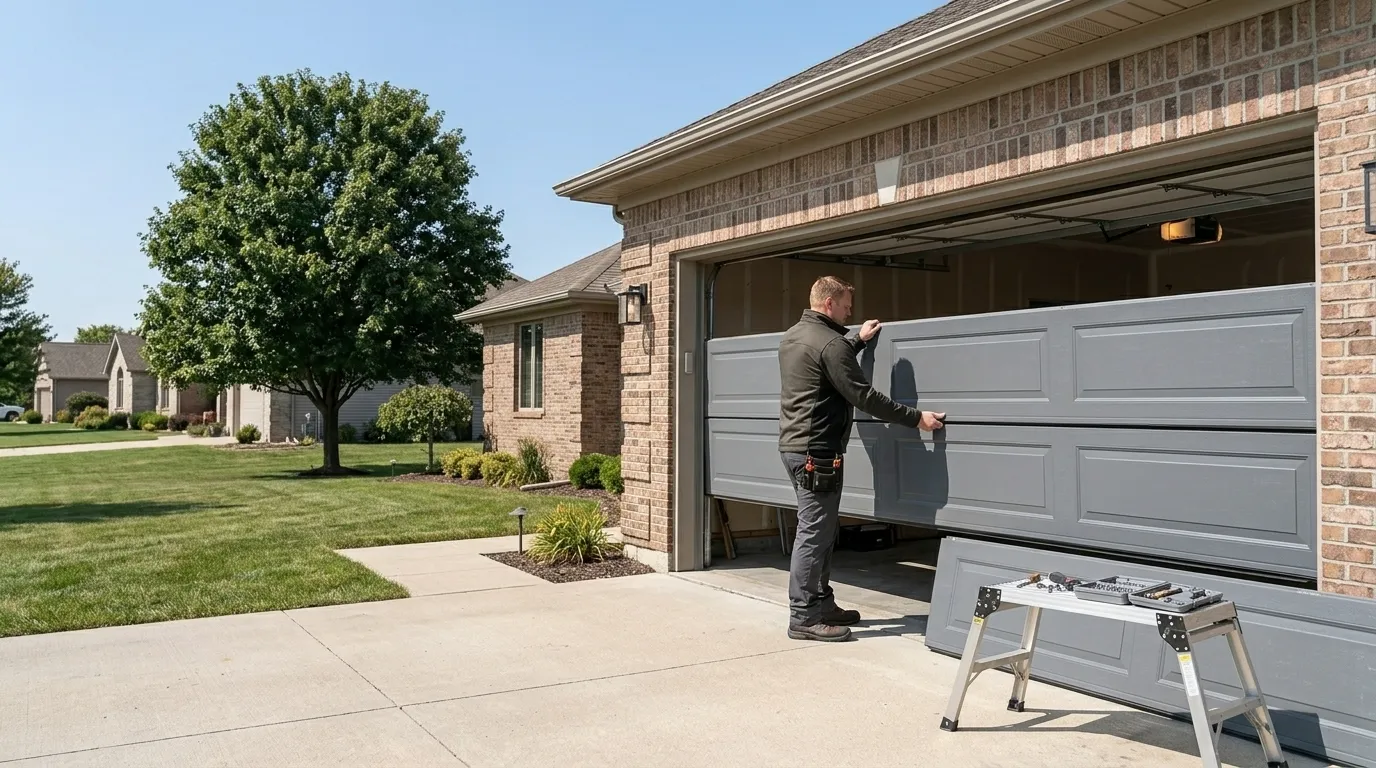
Most of the houses in this part of the coast went up between 1986 and 2006, with the median build year sitting around 1995. That building wave means a lot of original garage doors - steel sectional units with the hardware and springs the builder speced for the lowest bid - are now thirty years old or getting close to it. Wood swells, steel skins delaminate at the seams, and the foam-core insulation some of these doors shipped with starts to sag away from the panel.
Our climate band is mild with occasional freeze, so we don't get the deep cold that cracks doors up north, but we do get salt-laden humidity most of the year and the odd hard freeze that stresses a door that's already tired. That combination - decades-old steel, coastal moisture, and the rare cold snap - is why installation calls cluster around doors from that same building era rather than showing up randomly across the housing stock. Across the eleven areas we cover, the pattern holds: 1980s and 90s construction dominates, and the doors from that period are the ones coming due now, not from bad luck but from age lining up with the calendar.
Getting It Booked In
We work the Myrtle Beach service area out to Carolina Forest (4 miles), Forestbrook (5 miles), Socastee (7 miles), Surfside Beach (9 miles), Red Hill (9 miles), Garden City (11 miles), Conway (13 miles), North Myrtle Beach (13 miles), Bucksport (14 miles), Murrells Inlet (14 miles), and Little River (18 miles), plus Moss Creek to the southwest.
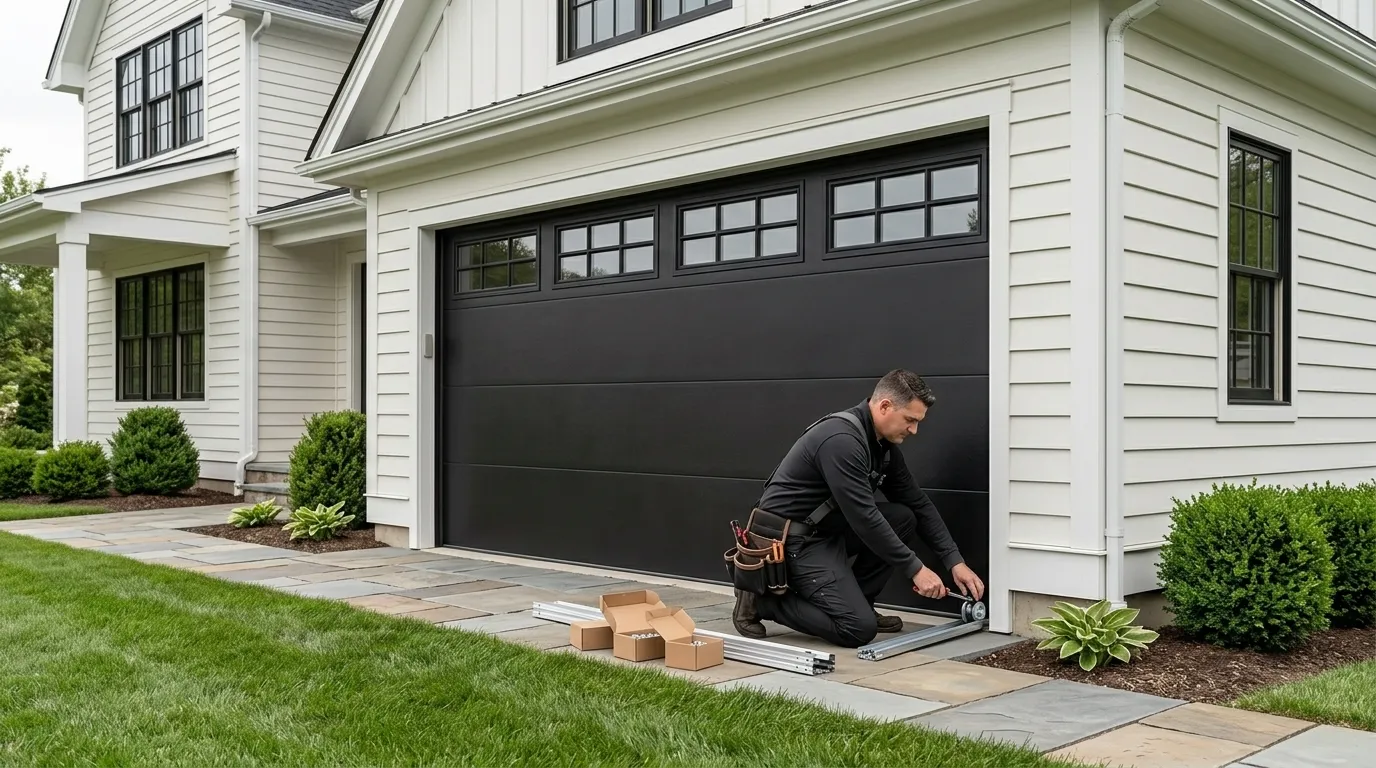
Booking starts with the opening measurements and what's currently mounted - steel, wood, insulated or not - since that tells us what will fit the existing frame without reframing the jamb. If your house falls into that 1986-2006 build window, chances are the opening is a standard width and we can quote off measurements you send us before anyone drives out.
Non-standard openings, oversized doors, or custom finishes take longer to source, and we'll say so up front rather than promise a date we can't hit. Across the service area's roughly 63,591 households, a large share - about 36,450 - are owner-occupied houses, which is the group we're built to serve: single-family garages, one door, one homeowner making the call.
What the Repair Takes
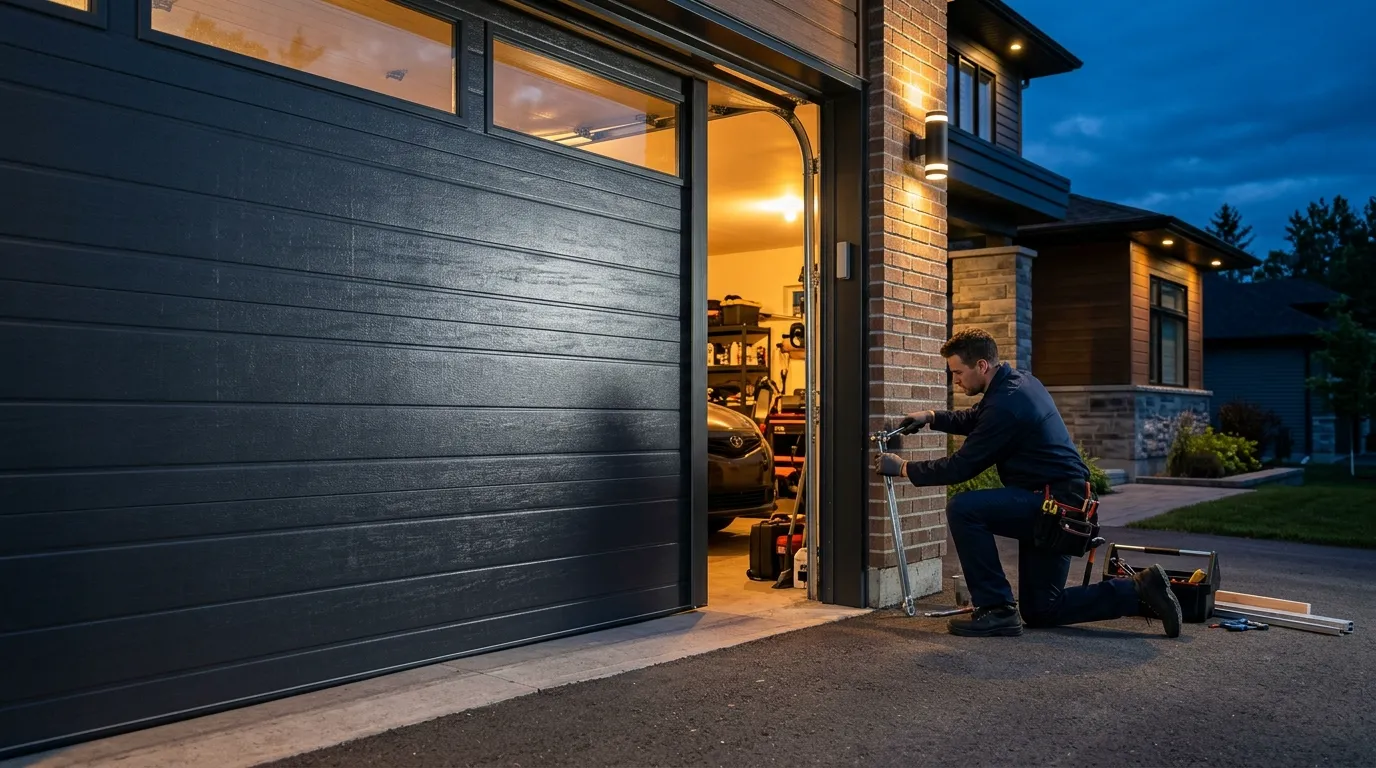
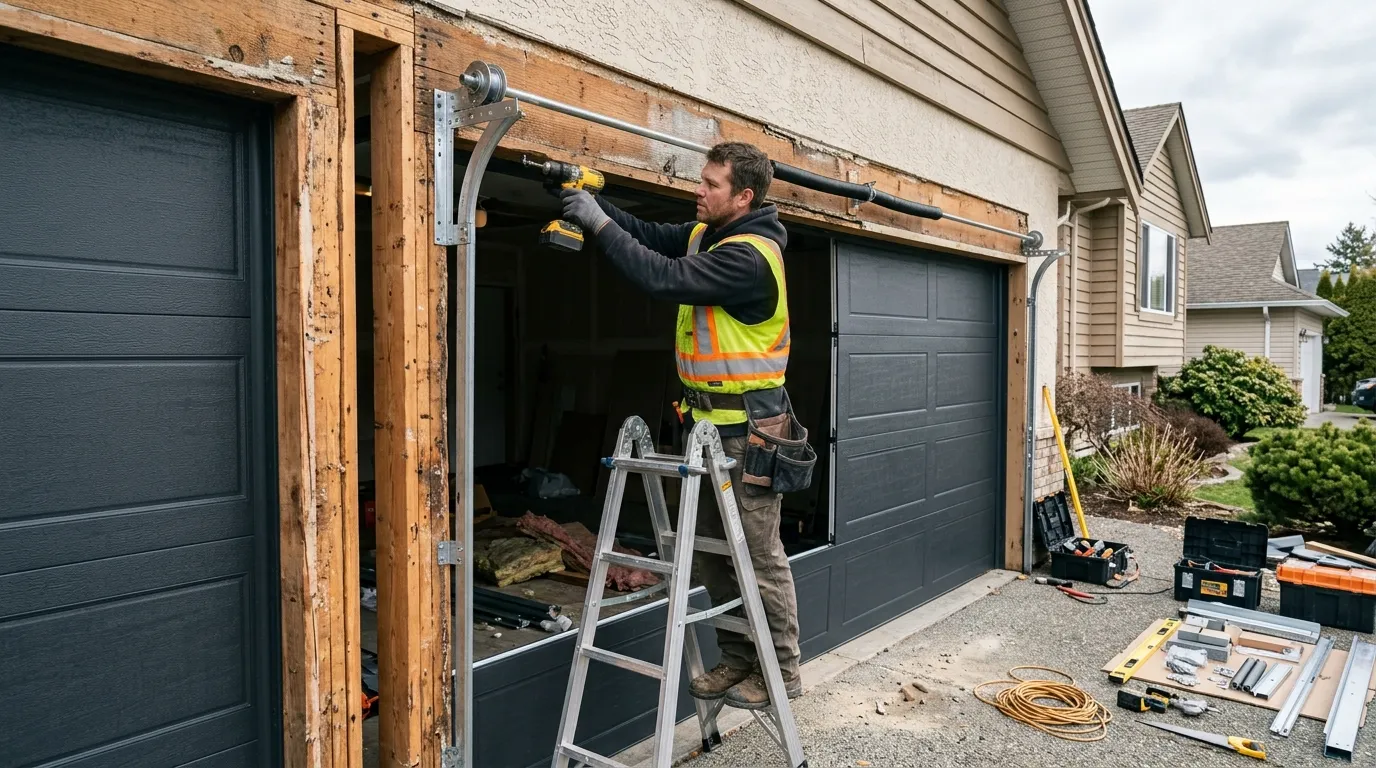
Installing a new door starts with pulling the old panels, track, and torsion hardware off the frame, then checking the jamb and header for rot or settling - common enough in homes now thirty-plus years old where the original framing has taken decades of coastal humidity. If the frame is sound, the new track and spring system mount to it directly. If it's not, that's extra work we'll flag before we start, not after.
Given the mild-with-occasional-freeze climate here, we size the spring system for regular cycling rather than extreme temperature swings, but we still don't skip the freeze-day check on cable tension - a door that ran fine in July can bind in January if the springs were set loose to begin with. Insulated doors cost more up front and we'll say plainly that on an attached garage that isn't heated or cooled, the insulation upgrade matters less than it does on a garage that ties into living space. One limitation worth naming: custom widths or heights outside the standard sizes built into most 1986-2006 openings take longer to get in stock, and we won't quote a install date on those until the door is confirmed on the truck.
What You Are Seeing
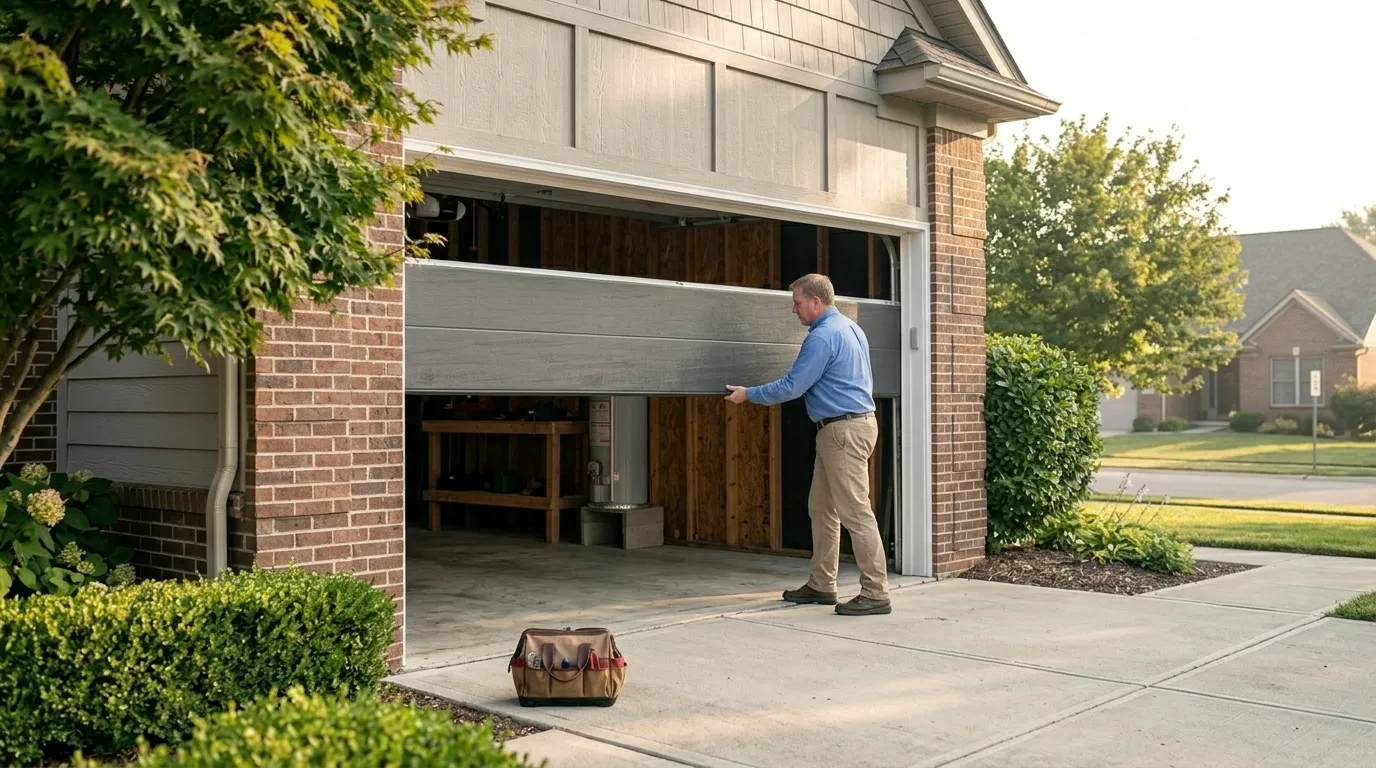
The signs that push a homeowner from repair to full installation are usually visible before anything breaks outright. Steel skins bubbling or rusting through at the bottom panel, especially on doors that get direct sun and salt air, show up a lot on houses from the 1986-2006 wave now hitting the age where the coating finally gives out. Wood-look composite doors from the same era often show delamination at the corners - the layers separating after years of humidity swings.
Sagging in the middle of the door, gaps at the bottom that let light or water through, or a door that's visibly out of square in the track are structural signs, not cosmetic ones, and they mean the door itself is done even if the opener still runs fine. If you're only noticing noise or slow movement with no visible panel damage, that's more often a spring or roller issue than a reason to replace the whole door - worth a second look before you commit to a full installation.
Why Myrtle Beach Calls Us
What Happens When You Call
Call or Request a Quote
Tell us what the door is doing and roughly how old the house is - that alone points us toward the likely part before a truck leaves.
On-Site Diagnosis
A tech checks the spring, cables, tracks, and opener in person and tells you plainly what is actually wrong.
Straight Price, No Surprises
You get a number before any work starts. It covers parts and labor, nothing added after the fact.
Fixed the Same Visit
Most repairs are done in one trip. If a part needs sourcing, we tell you that upfront instead of guessing.
Talk to a Technician Before You Book
Describe what the door is doing and get a straight answer on what it likely needs.
Recent Work
Jobs Like Yours
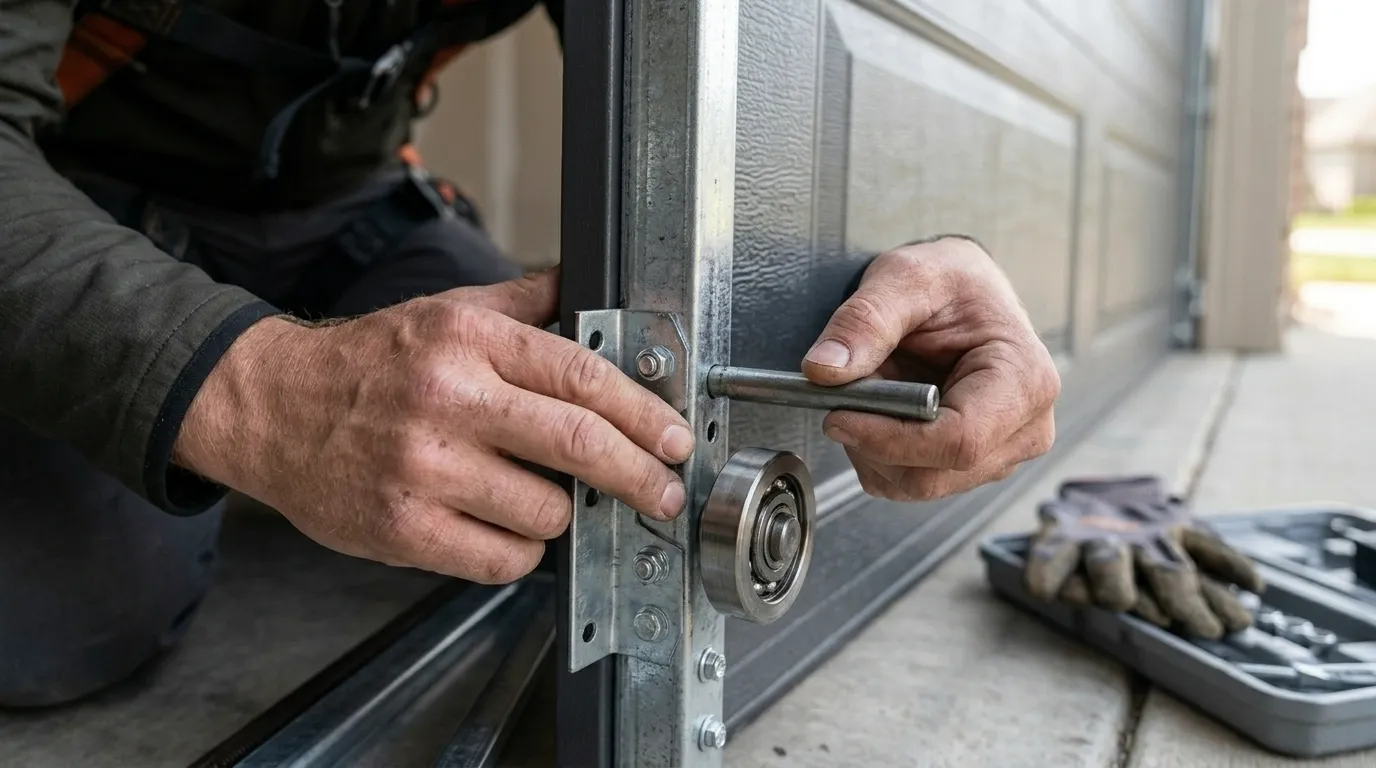
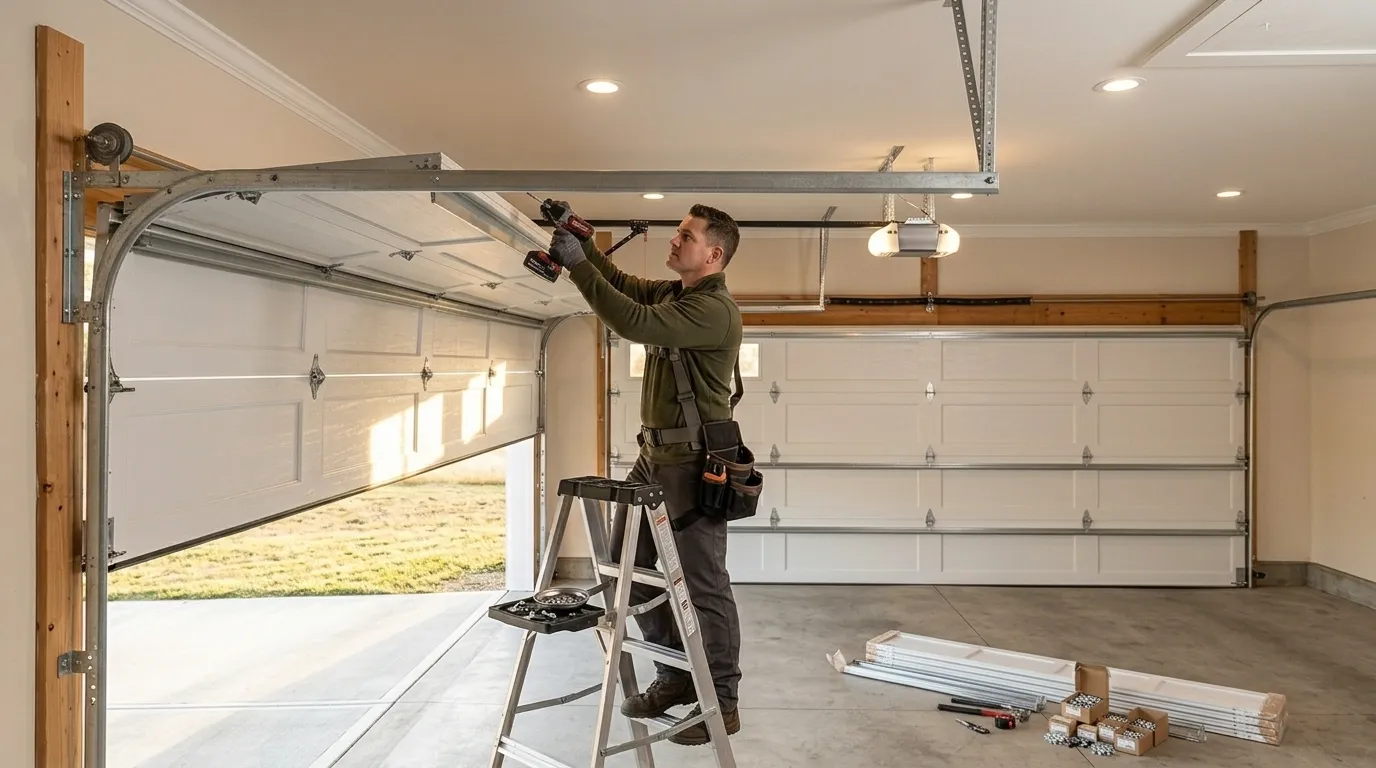
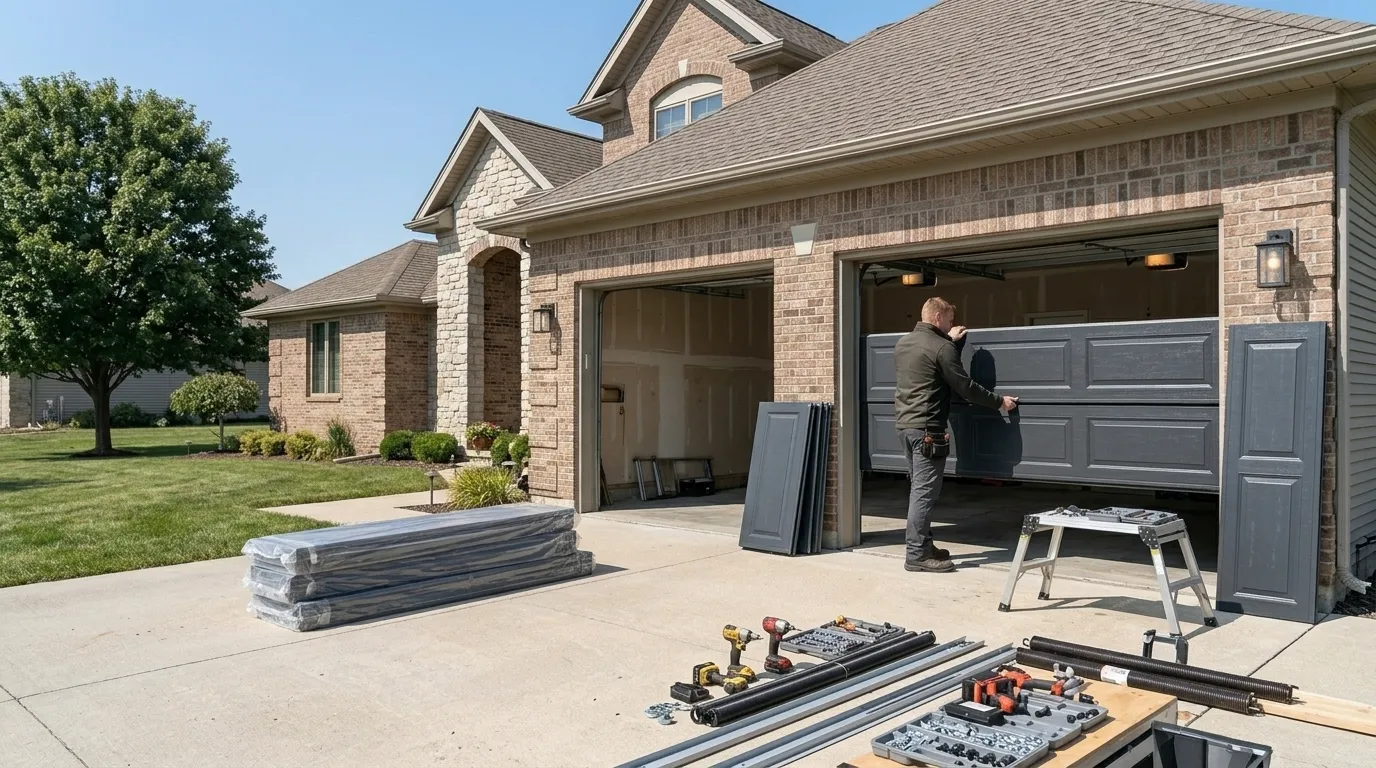
Recent work from this service line.
Other Ways We Can Help
Frequently Asked Questions
How do I know if I need a new door instead of a repair?
If the panels are rusted through, delaminating, or visibly sagging out of square in the track, repair won't hold. Doors from the 1986-2006 building wave common across this area are reaching that point on age alone. If the door still sits square and the trouble is noise or slow movement, that's usually a repair, not a replacement.
Will a new door fit my existing opening?
Most houses built between 1986 and 2006 in this area used standard opening widths, so a like-for-like replacement usually fits the existing frame without reframing. We confirm exact measurements before quoting. Custom or oversized openings take extra checking and longer lead time on the door itself.
Does the coastal climate change what door I should get?
It affects the coating and hardware more than the size or style. Our climate is mild with occasional freezes, so the bigger factor here is salt-laden humidity working on steel skins and fasteners year-round, not deep cold. We size spring tension for regular cycling and flag freeze-day cable checks separately.
Get Started
Need Garage Door Installation for Myrtle Beach Homes?
Call now for straight answers on cost and timing.