
Myrtle Beach Garage Door Guide
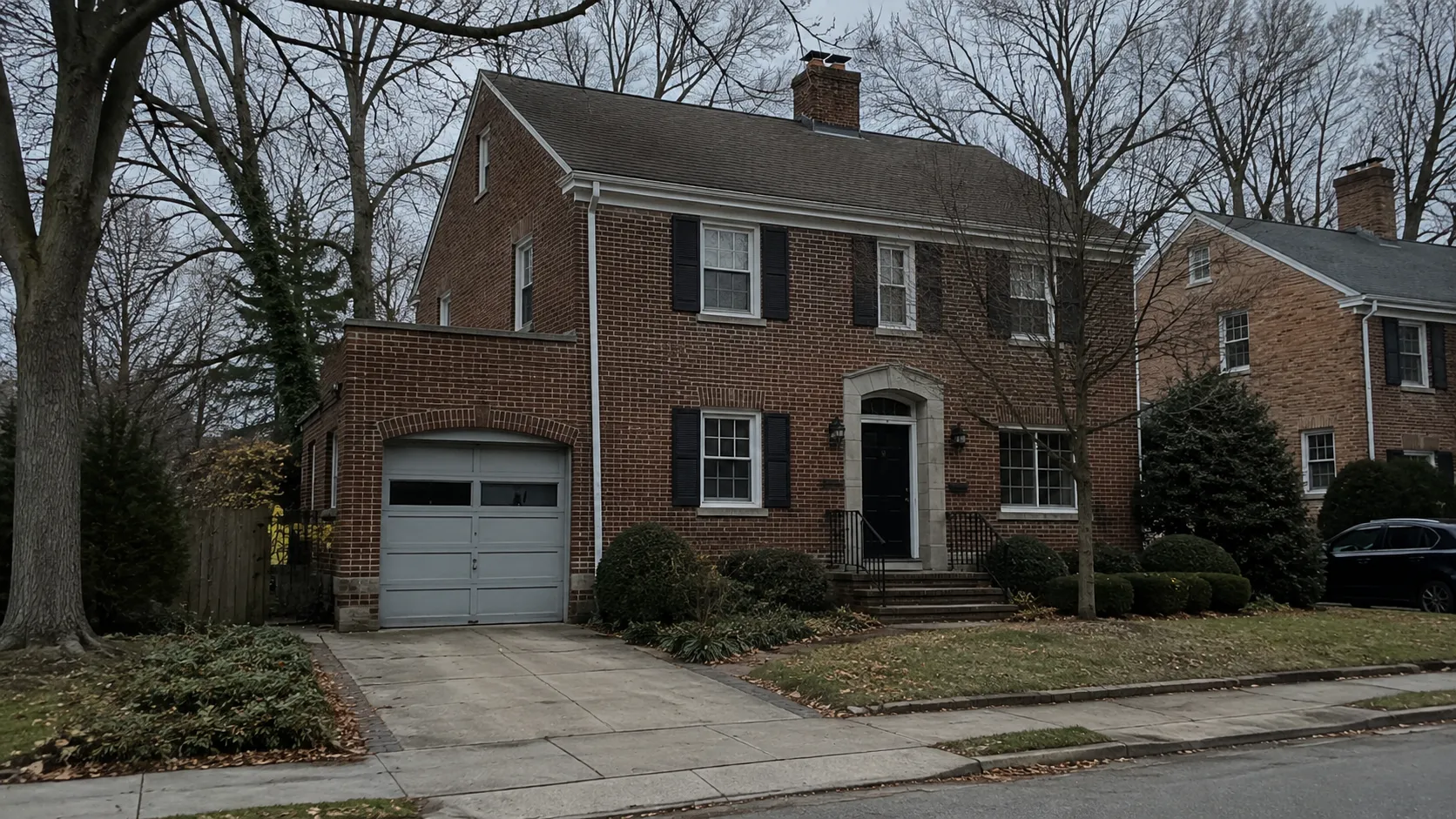
Garage Door Trouble in Myrtle Beach's 1980s-2000s Homes
Myrtle Beach Garage Door Pros on what breaks first in the area's 1986-2006 housing stock, from Carolina Forest to Little River, and what the mild-with-freeze climate does to it.
- Licensed & Insured
- Same-Area Service Calls
- Upfront Pricing
When to Get Help
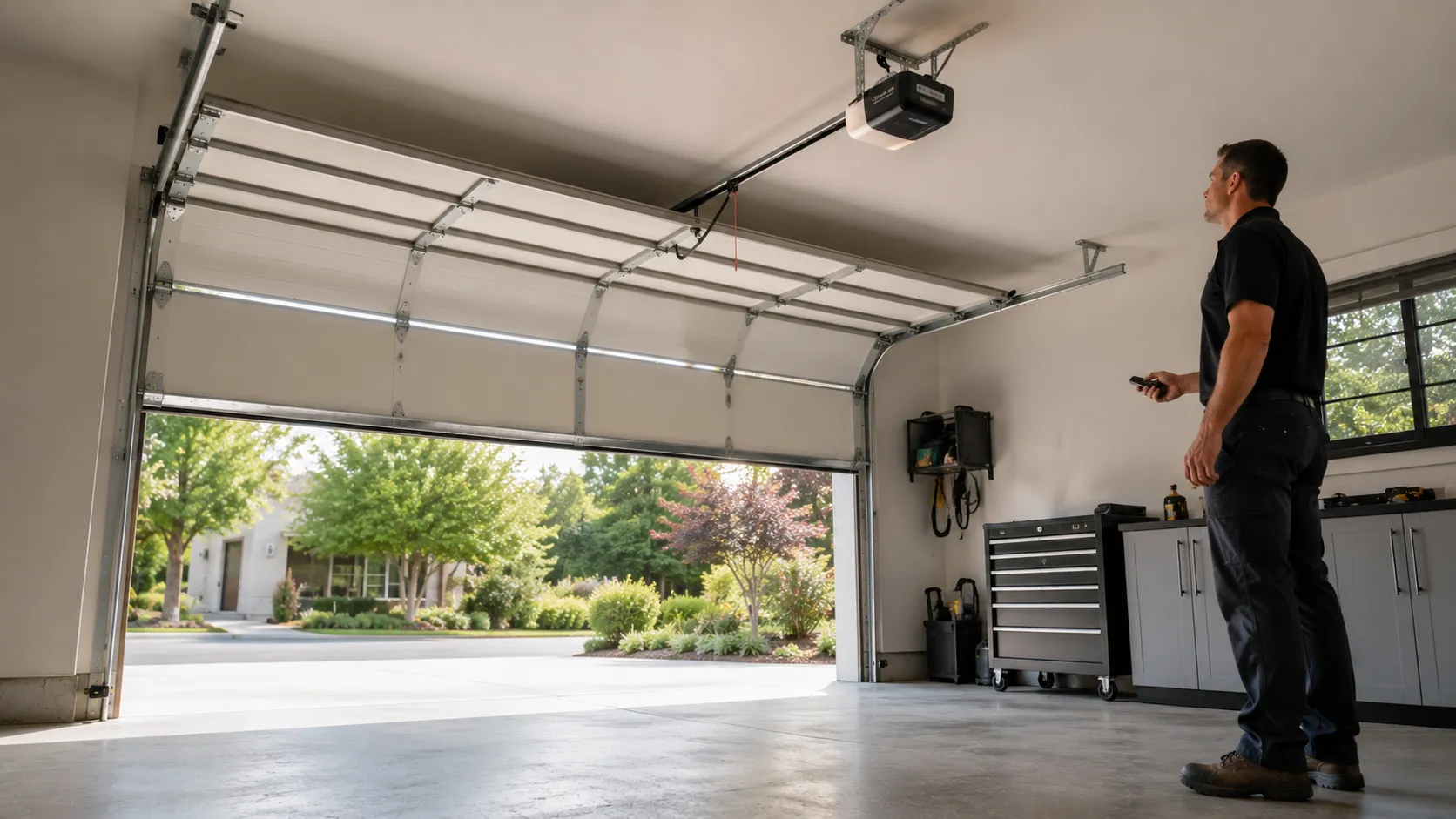
Most of the houses we get called to in this market went up between 1986 and 2006 - a twenty-year run that means a lot of doors, openers, and torsion springs are aging out at roughly the same time. If your door has started reversing on its own, if the opener grinds before it lifts, or if you hear a bang followed by the door not moving at all, that's usually a spring at the end of its life, not something to keep testing with the remote.
A door that slams down the last foot of travel, or one where a cable has come loose from the bottom bracket, is a call-now situation - not because we want to alarm you, but because a loaded torsion spring or a slipped cable can put real force into a small space in a hurry. If the door still moves smoothly and just makes noise, that's worth a look but not an emergency.
What to Check
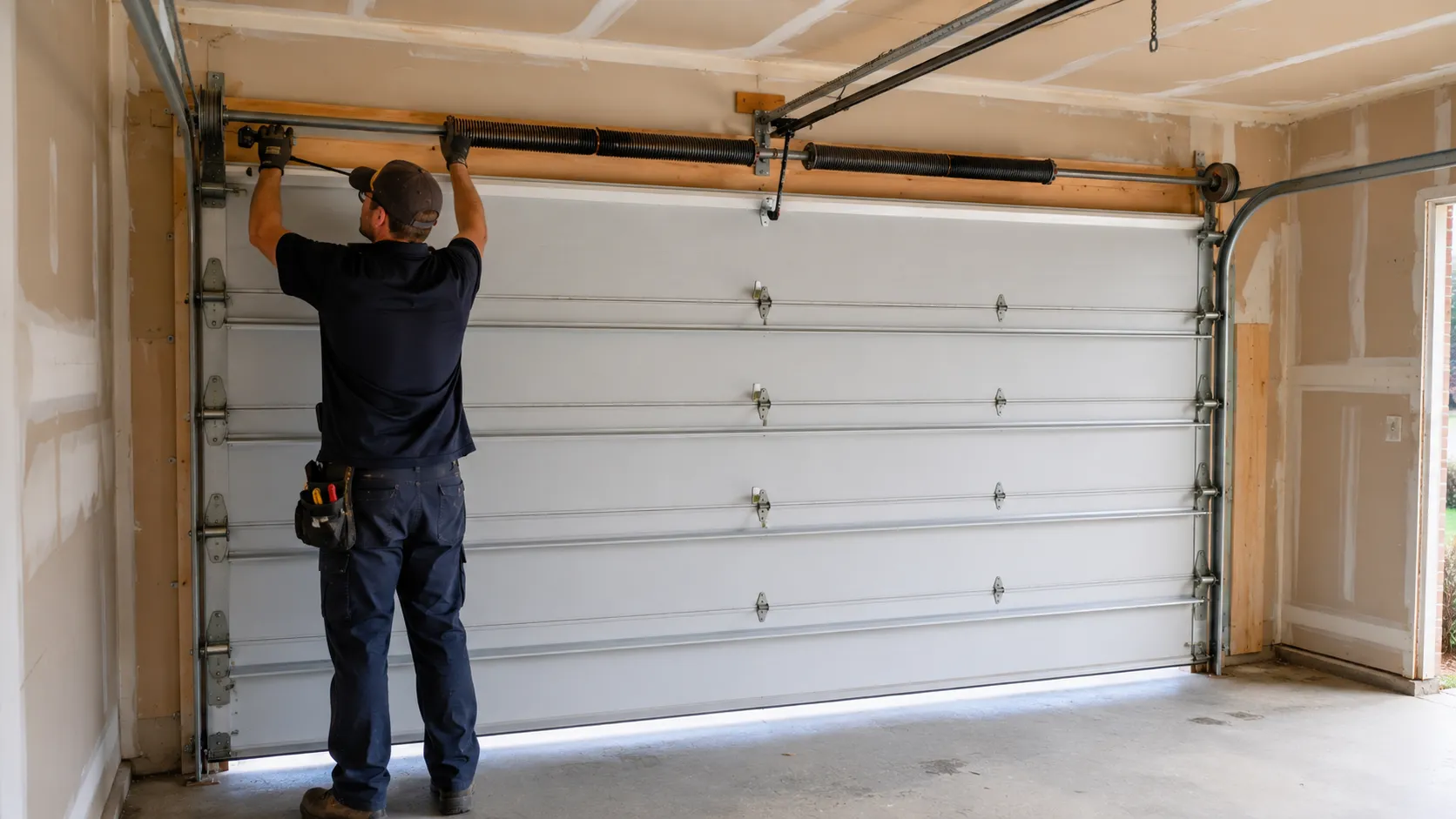
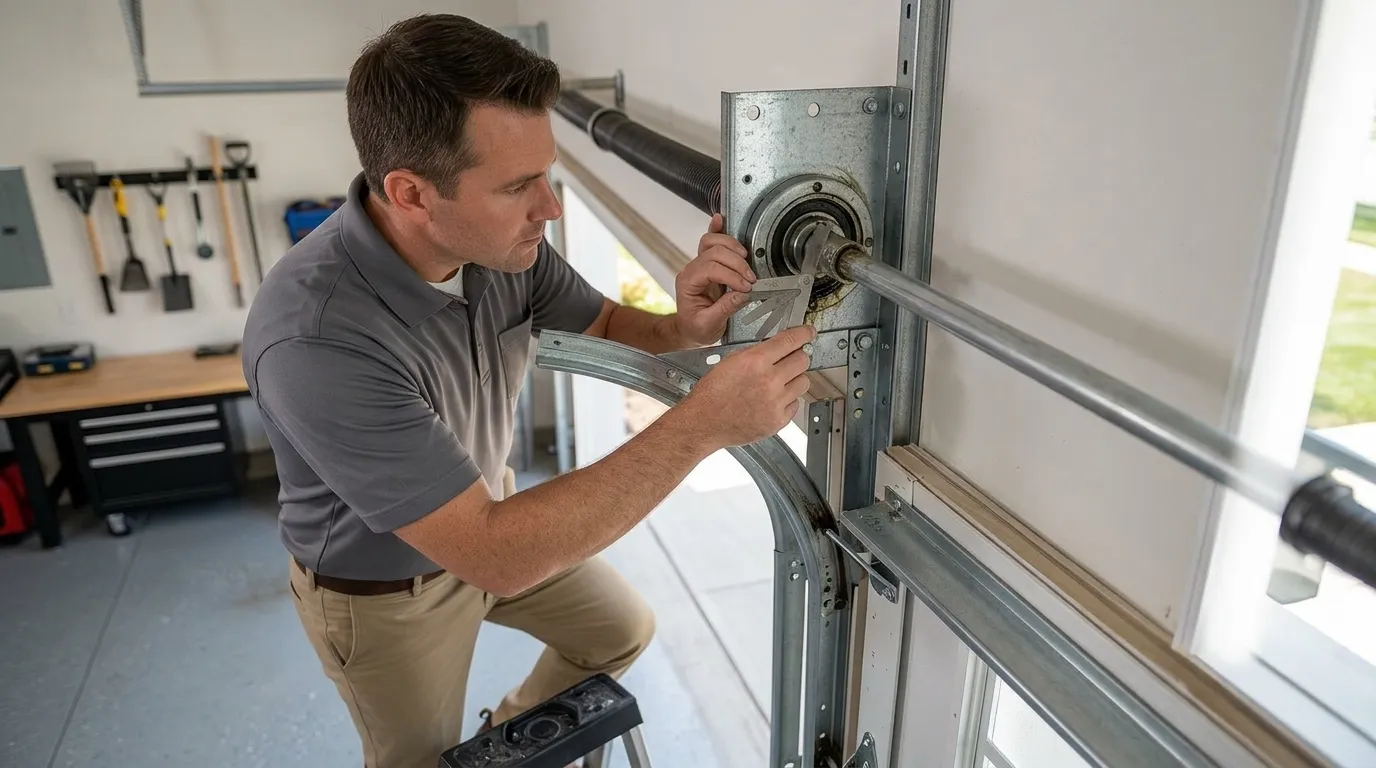
Start with the date the house was built, if you know it - most homes across this area, from Carolina Forest four miles out to Little River eighteen miles up the coast, were built in the 1980s and 90s, and original hardware from that window is well past its rated cycle count. Check the springs for gaps in the coil or a visible twist that looks uneven side to side. Check the rollers - nylon rollers from that era get brittle and chip at the edges rather than wearing smooth.
Listen for a dry, dragging sound in the track, which usually means the lubricant applied at installation is the last lubricant that track has seen. If your opener predates 2000, check whether it still has the manual, mechanical force settings rather than digital ones - those are harder to get right and drift out of adjustment over time.
The Problem
The issue in this market isn't age in the abstract - it's that so much of the housing stock, across the eleven areas we cover, landed in the same narrow build window. A door in Socastee or Forestbrook put up in the early 1990s is due for its second or third spring replacement by now, not its first, and a lot of owners don't know that because the door has kept working, just slower and louder each year.
Springs are rated in cycles, not years, and a door used twice a day for thirty years has gone through more open-close cycles than most people assume. The parts made for openers and track hardware from the 1986-2006 period are also getting harder to source exact matches for, which sometimes means a repair turns into a partial replacement simply because the original part isn't made anymore.
What Local Conditions Do
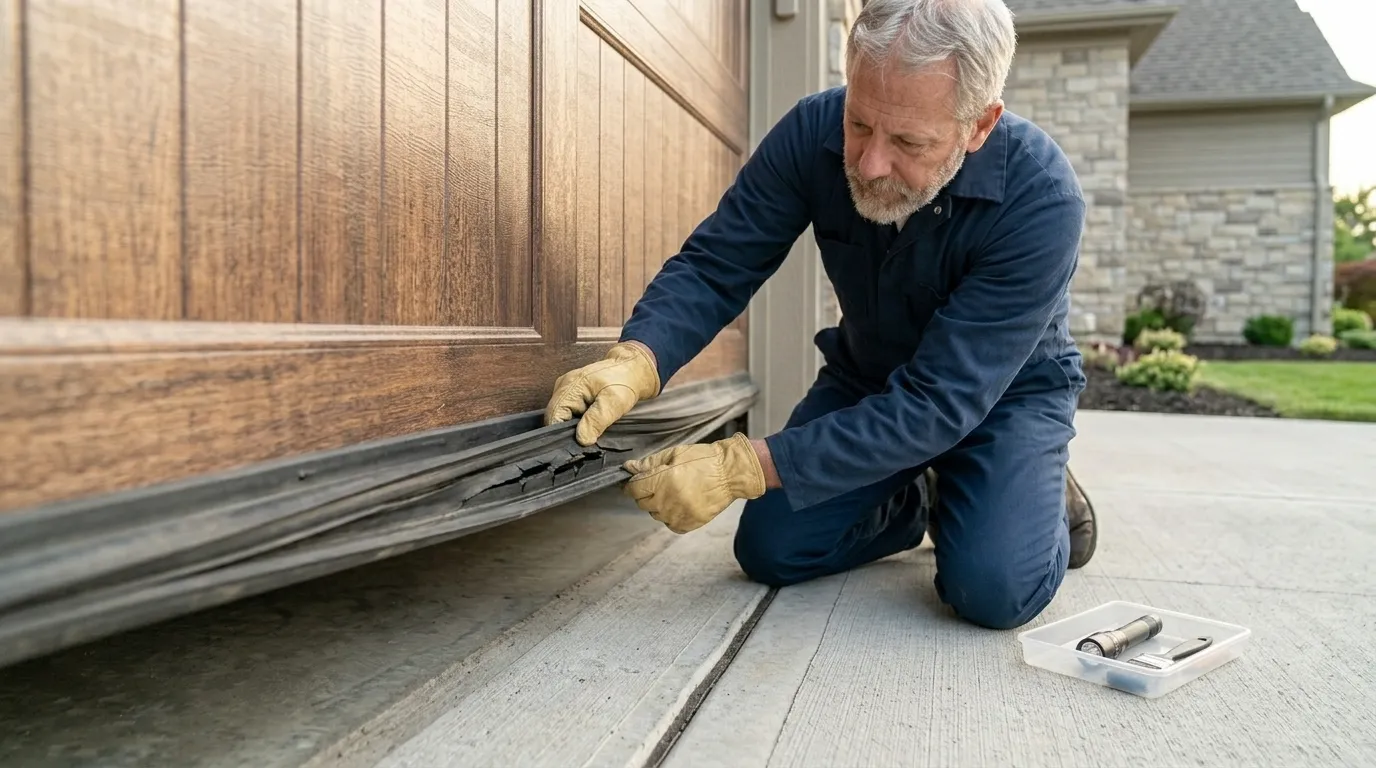
This stretch of coast sits in a mild climate band, but it isn't frost-free - we get a handful of nights a winter that drop below freezing, and that's enough to stiffen old grease and make nylon rollers and worn seals crack rather than flex. That matters more here than in a genuinely cold climate, because hardware in this market usually was never built for freeze cycles in the first place - it was built for a mild coast, and the occasional hard freeze catches it off guard. That holds whether you're closer to the water in Surfside Beach or further inland in Conway or Bucksport; the freeze nights reach both.
Over a house's life, a handful of cold snaps a year adds up to real wear on seals and lubricant that a warmer climate wouldn't produce. We won't tell you to weatherize a door that doesn't need it - if yours is sealing fine and moving quietly, leave it alone.
How We Can Help
Garage Door Repair
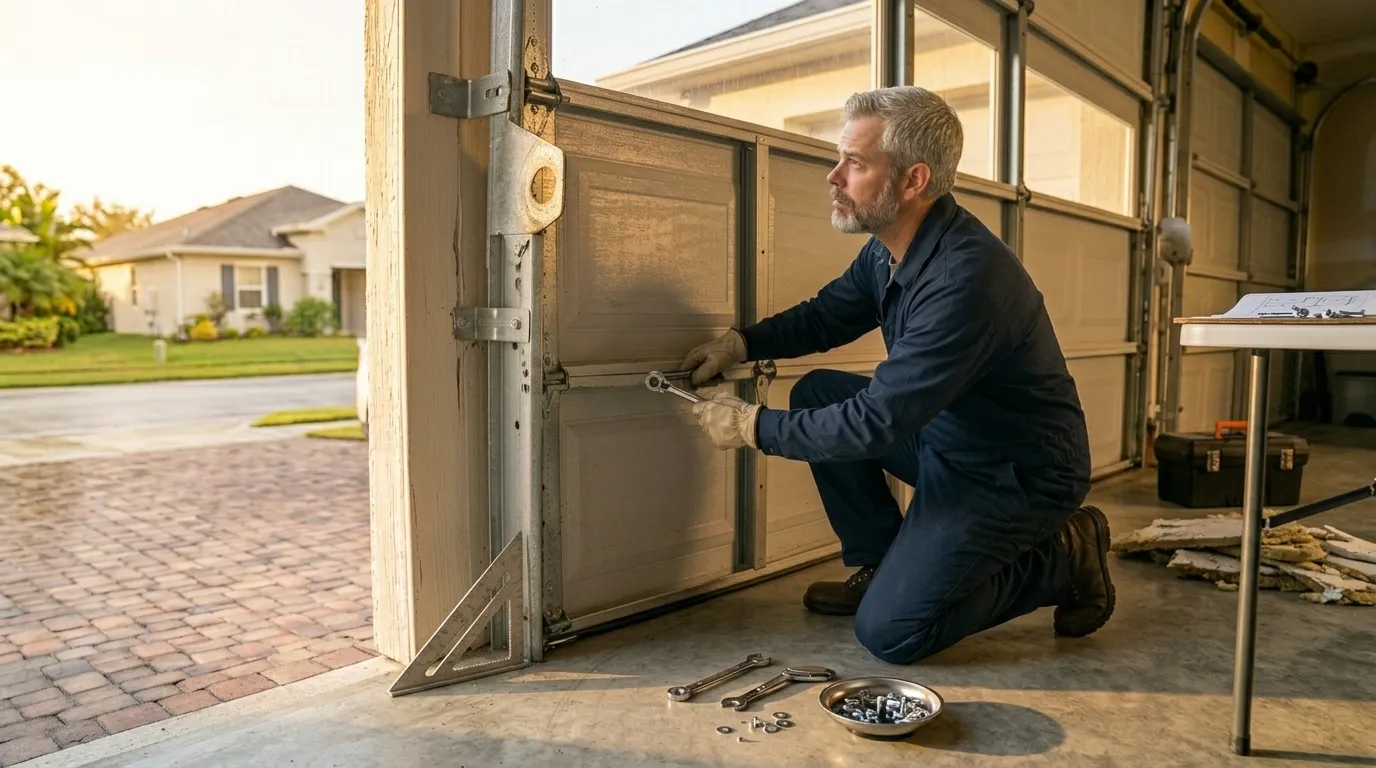
Springs, cables, tracks, rollers, and openers fixed by a tech who explains the problem before touching anything.
Learn more →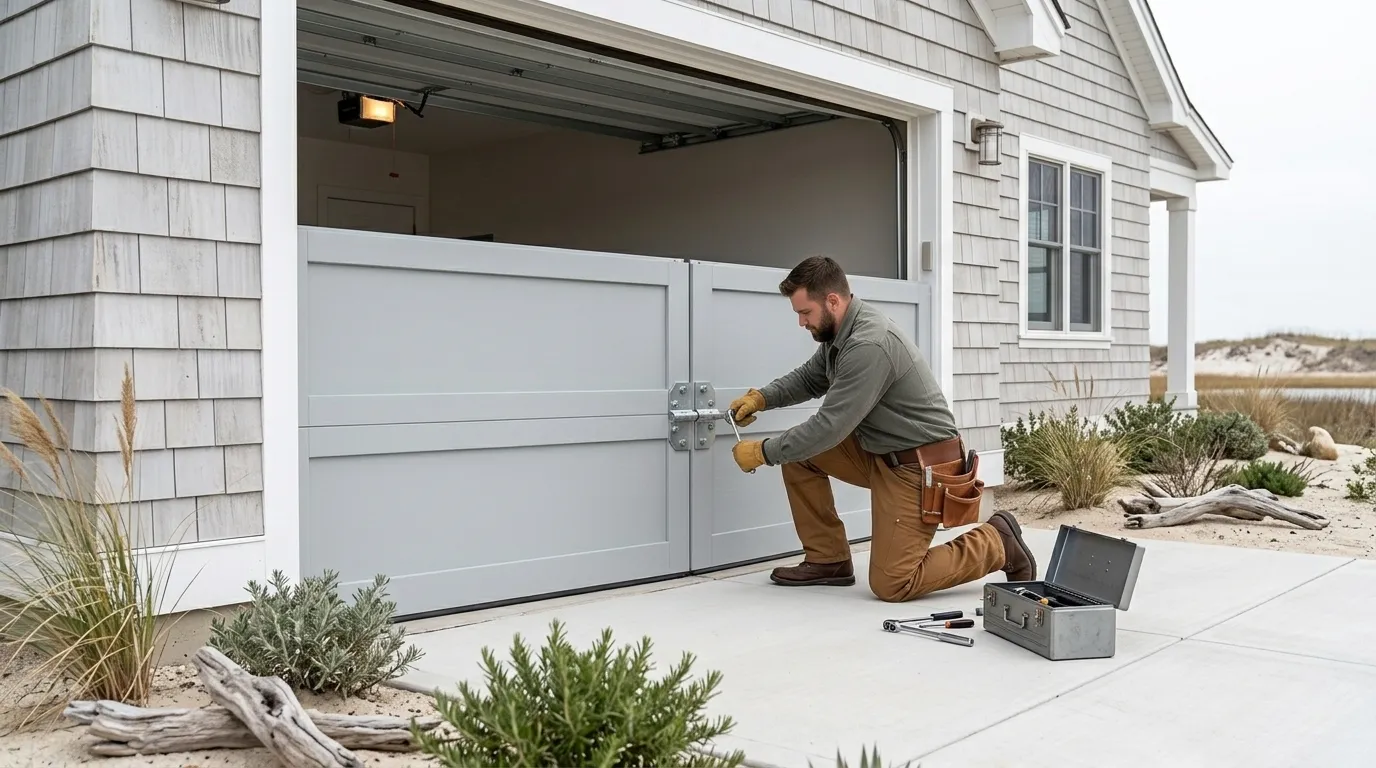
Garage Door Installation
New sectional doors sized and installed for the housing stock actually built in this area.
Learn more →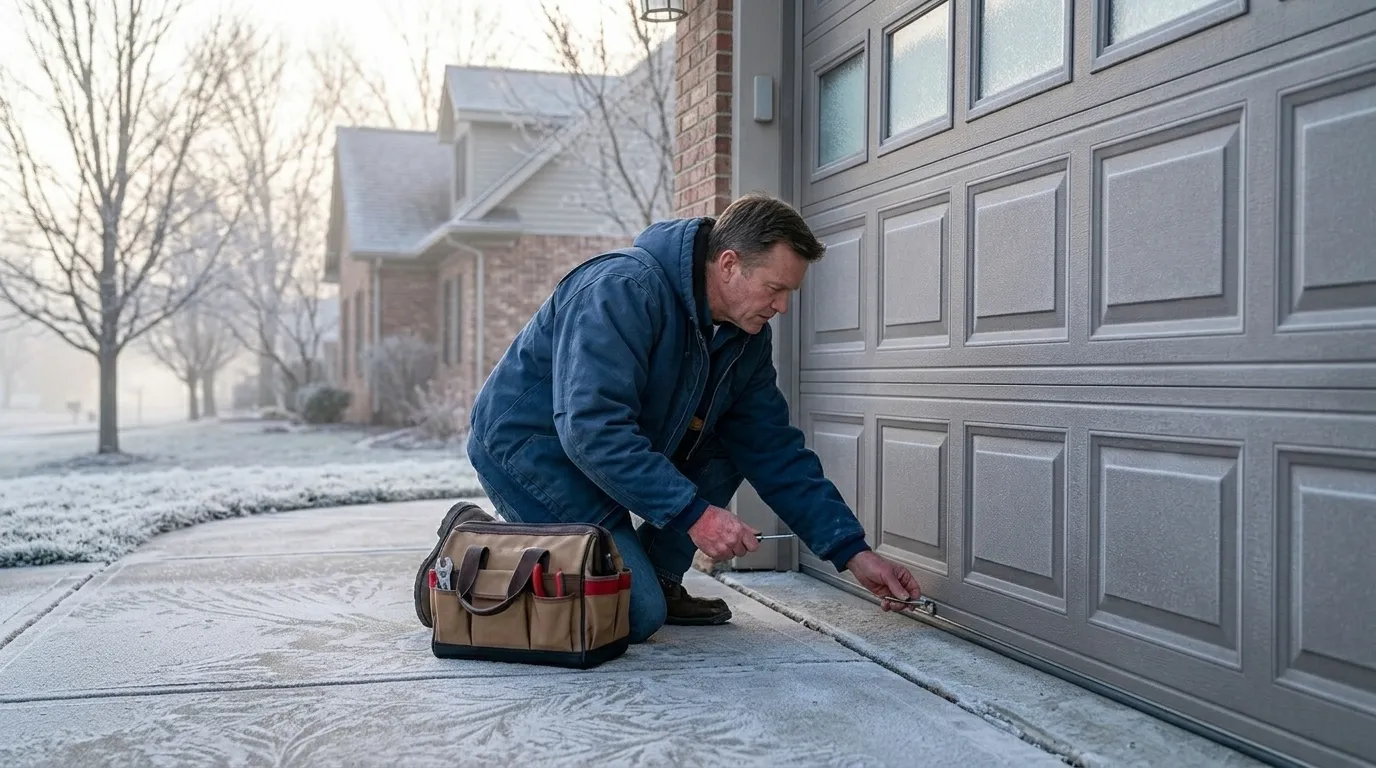
Garage Door Service
Tune-ups, lubrication, and safety checks that catch a small problem before it becomes a service call.
Learn more →Frequently Asked Questions
How old does a garage door spring usually get before it needs replacing around here?
It depends more on cycles than years, but since most homes in this market were built between 1986 and 2006, a lot of original springs are well past their rated life even if the door still opens. If yours is original to a house from that era, it's worth having it looked at rather than waiting for it to break.
Does the occasional freeze here actually affect garage doors?
Yes, more than people expect. This is a mild climate overall, but the handful of nights that drop below freezing each winter stiffen old grease and crack aging rollers and seals - especially on hardware that was built for a mild coast and never accounted for freeze cycles.
My opener is from the 1990s - is it worth repairing or should I replace it?
If it's a mechanical-force opener from that build era, parts are getting harder to match exactly, and a repair sometimes costs close to what a new unit runs. We'll tell you honestly which side of that line your unit falls on rather than replace something that just needs an adjustment.
Get Started
Have a Door That Needs a Second Opinion?
Call and describe what it is doing - we will tell you what it likely is.