
Myrtle Beach Garage Door Guide
What an Older Door Is Worth Fixing in Myrtle Beach
Most Myrtle Beach houses date to 1986-2006, so a lot of original doors are now 20-35 years old. Here's how to tell if yours is worth repairing.
- Licensed & Insured
- Same-Area Service Calls
- Upfront Pricing
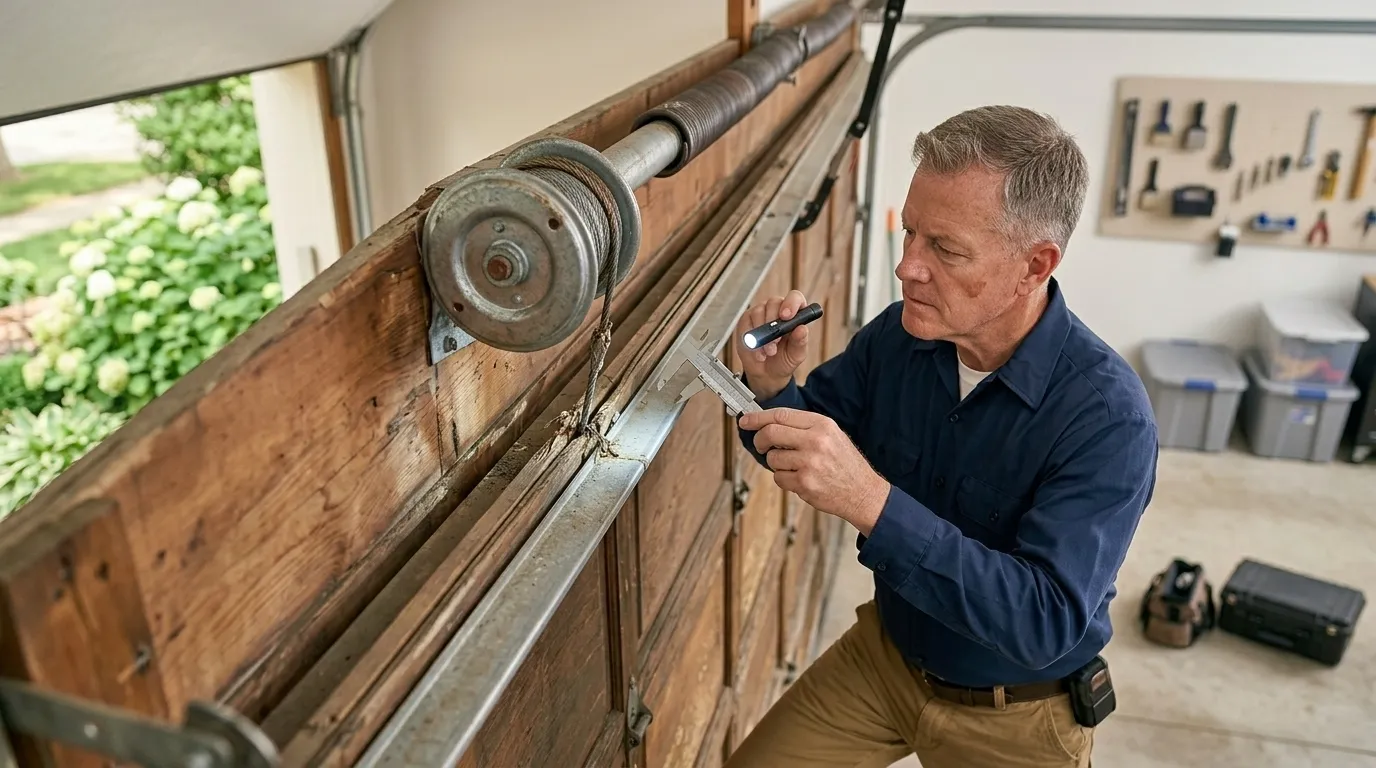
When to Get Help
If your door is original to the house, it's likely older than you think. Housing across the Myrtle Beach service area was mostly built between 1986 and 2006, with a median build year around 1995 - which puts a huge share of original doors and openers somewhere between 20 and 35 years old right now. That's past the point where most torsion springs, rollers, and drive gears were designed to last.
Call someone out when the door is slow to open, hesitates partway through the cycle, or you hear a grinding noise from the opener rather than a smooth motor sound. Those are early signs of a spring losing tension or a gear set wearing down - not emergencies yet, but not things that fix themselves either. If the door drops suddenly or won't move at all, that's a same-day call, not a wait-and-see.
One honest note: if your opener is original to a 1990s-built house, replacing it is often cheaper over time than repairing a worn-out gear kit piece by piece. We'll tell you which one your situation is before we start.
What to Check
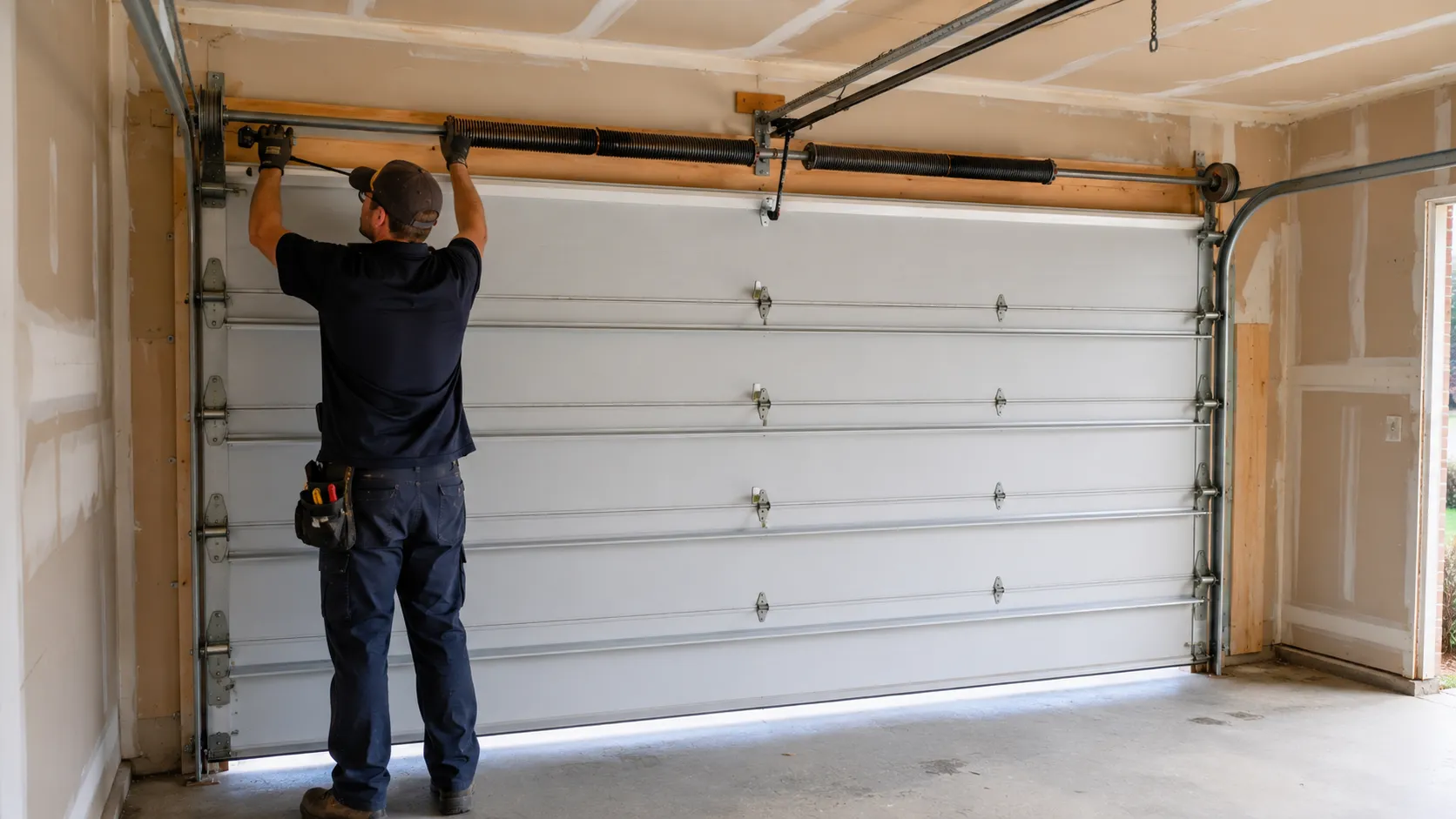
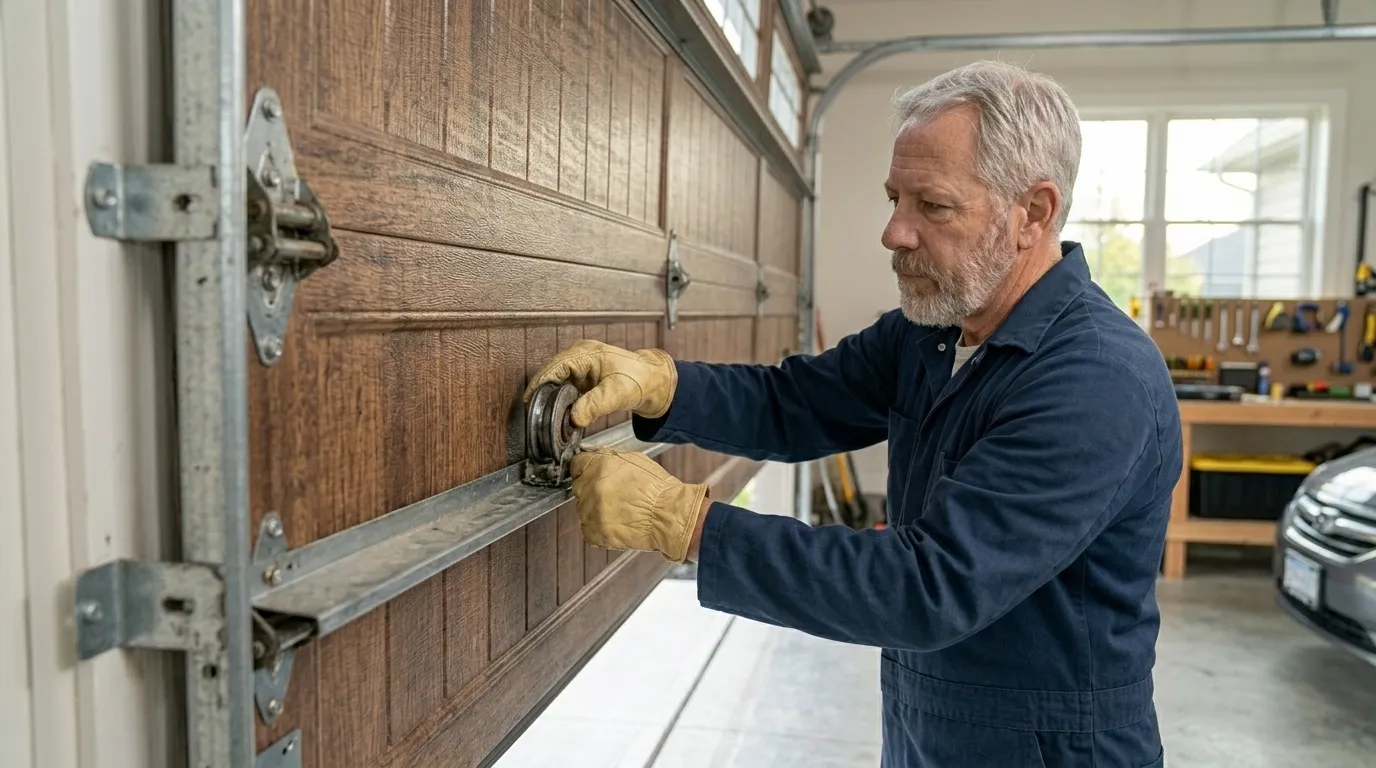
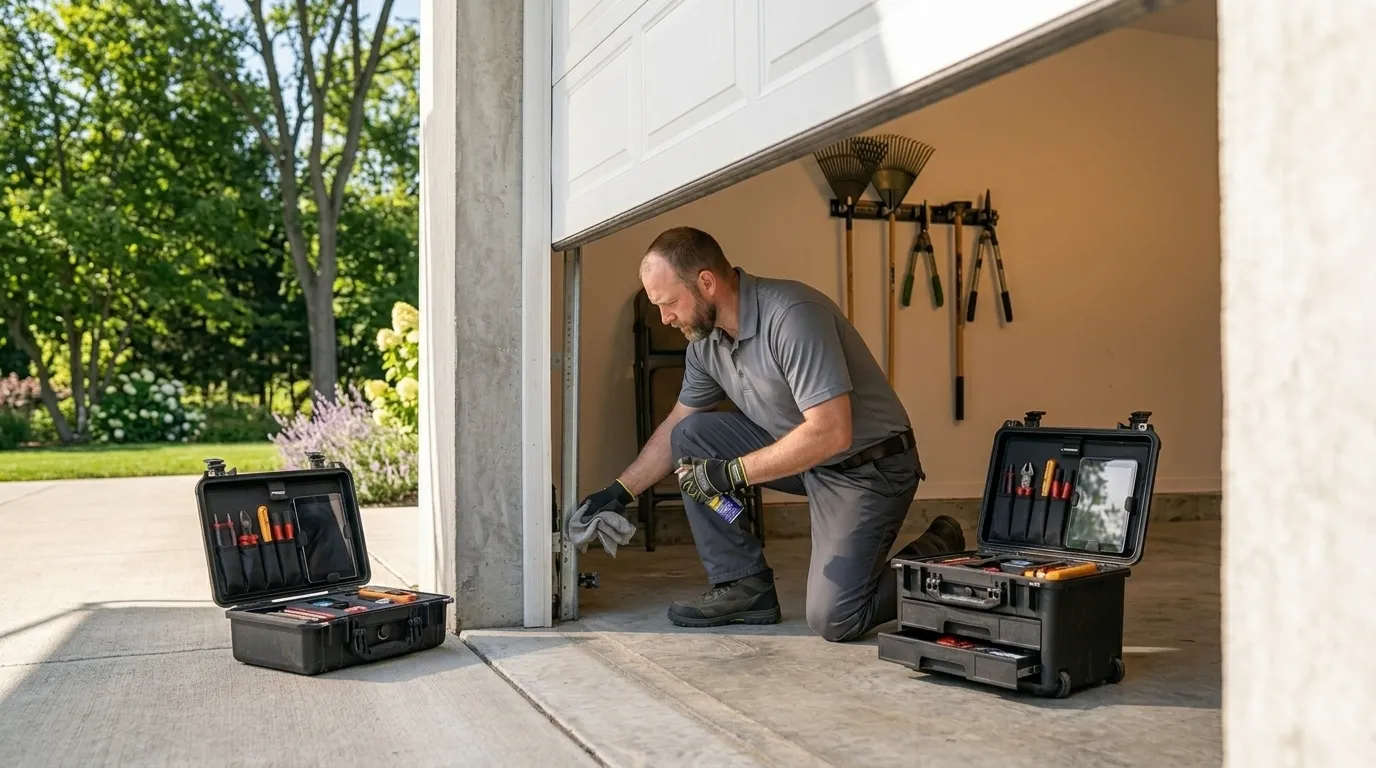
Before you call, look at three things. First, the springs above the door - if one looks stretched, gapped, or visibly different from its pair, it's near the end of its life. Second, the rollers along the track; on doors from the 1990s-2000s build era, plastic or nylon rollers have usually gone brittle or cracked by now even if the door still looks fine from the driveway.
Third, listen to the opener motor. A straining or labored sound under load usually means the door itself is out of balance, not that the opener is failing - and pushing an unbalanced door with a tired motor is what burns openers out early.
None of this tells you exactly what's wrong, but it tells you whether you're looking at a small fix or a bigger one. A stretched spring on a balanced door is a quick job. A stretched spring plus cracked rollers plus a straining motor usually means the whole system has aged out together, since most of these doors were installed as one unit and everything wears on the same timeline.
The Problem
The build-out here happened fast and in a fairly narrow window - most of the neighborhoods across this part of the coast, from Carolina Forest to Socastee to Forestbrook, went up in that same 1980s-to-2000s stretch. That means a lot of doors, springs, and openers across a lot of different streets are aging out at close to the same time, on hardware that matches the era rather than any single house.
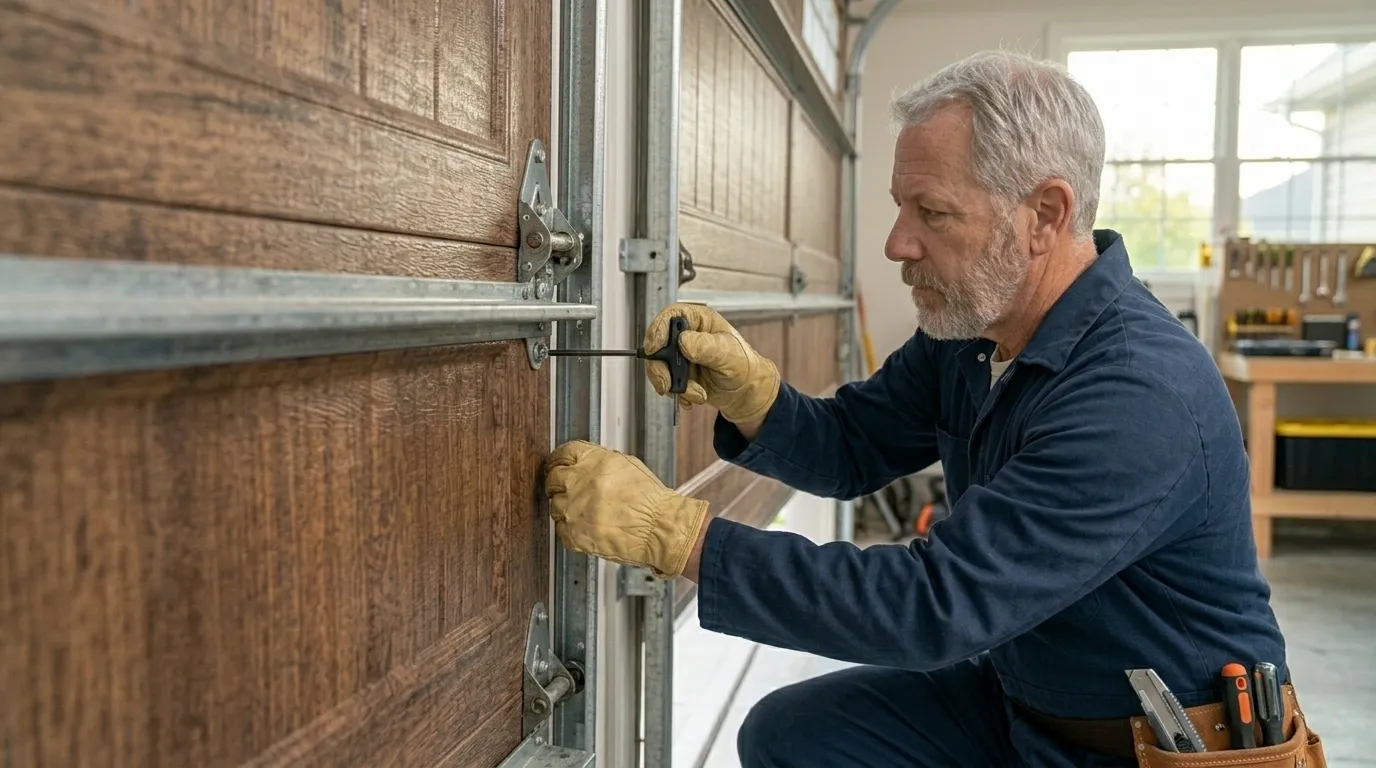
The practical effect: parts availability. A door installed in 1994 doesn't always take the same roller size, track width, or opener rail as something installed in 2004, and older manufacturers have discontinued lines entirely.
Sometimes a repair means sourcing a compatible part rather than an exact match. We'll tell you upfront when that's the case rather than promising an original-spec fix that isn't realistic anymore.
What Local Conditions Do
This area sits in a mild climate with occasional freeze risk rather than sustained cold, so you're not dealing with the deep-freeze stress on springs and openers that colder regions see. That's one thing working in your favor with an older door - the hardware isn't being cycled through hard freeze-thaw swings every winter.
What it doesn't protect against is humidity and salt air, which is a steady presence given the coastal location. Over 20-plus years, that shows up as surface rust on spring coils, corrosion on hinge pins and track bolts, and hardware that seizes even when the spring itself still has tension left. On a door built in the 1990s, that slow corrosion is often the actual reason a repair that should be simple turns into a full hardware swap - not because the part failed, but because it fused in place.
How We Can Help
Garage Door Repair
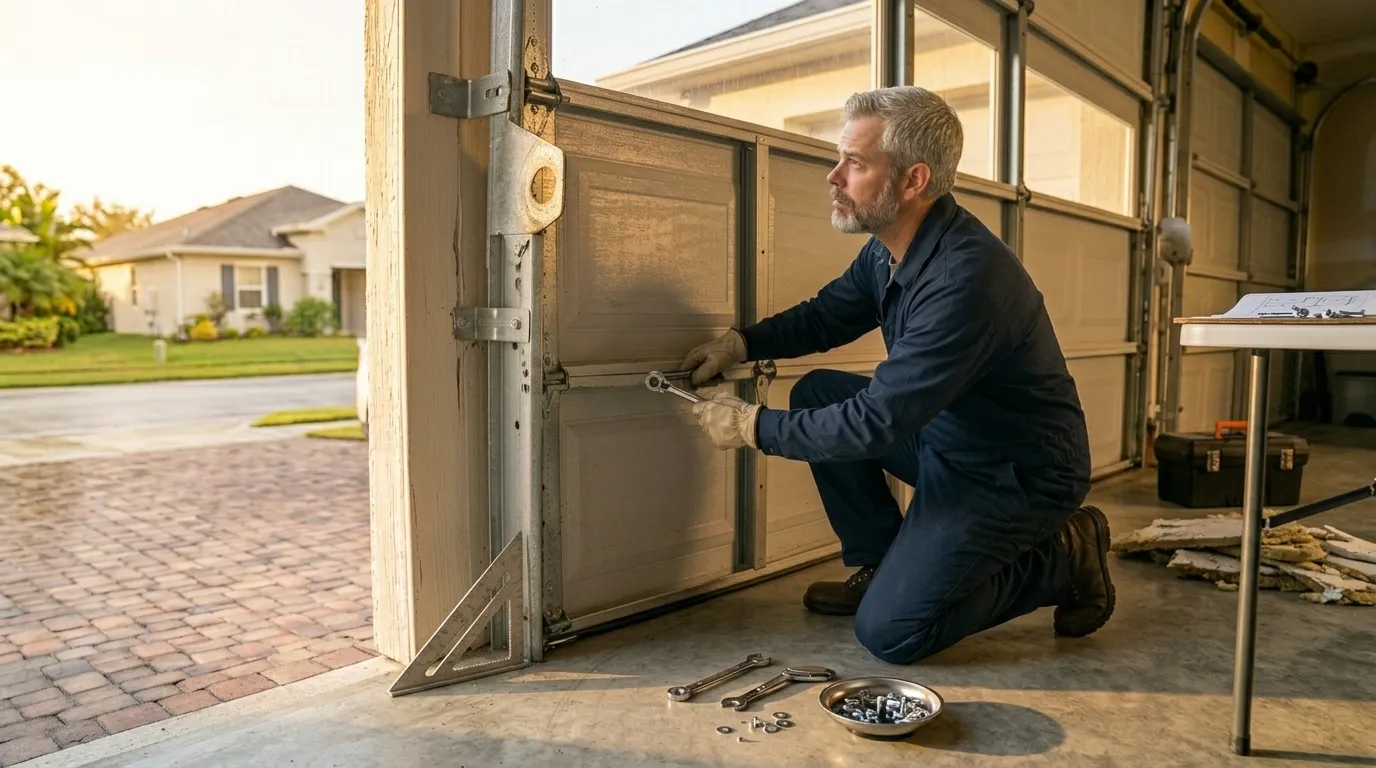
Springs, cables, tracks, rollers, and openers fixed by a tech who explains the problem before touching anything.
Learn more →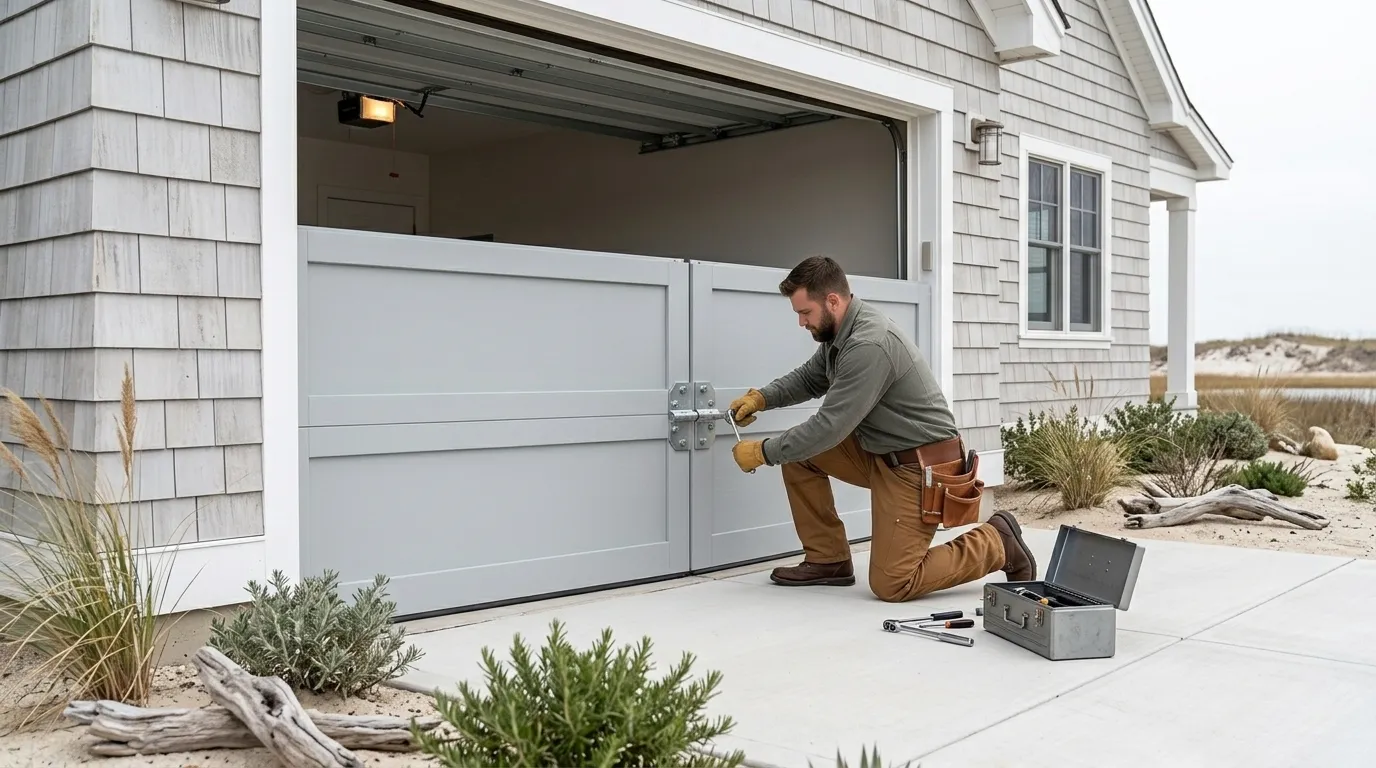
Garage Door Installation
New sectional doors sized and installed for the housing stock actually built in this area.
Learn more →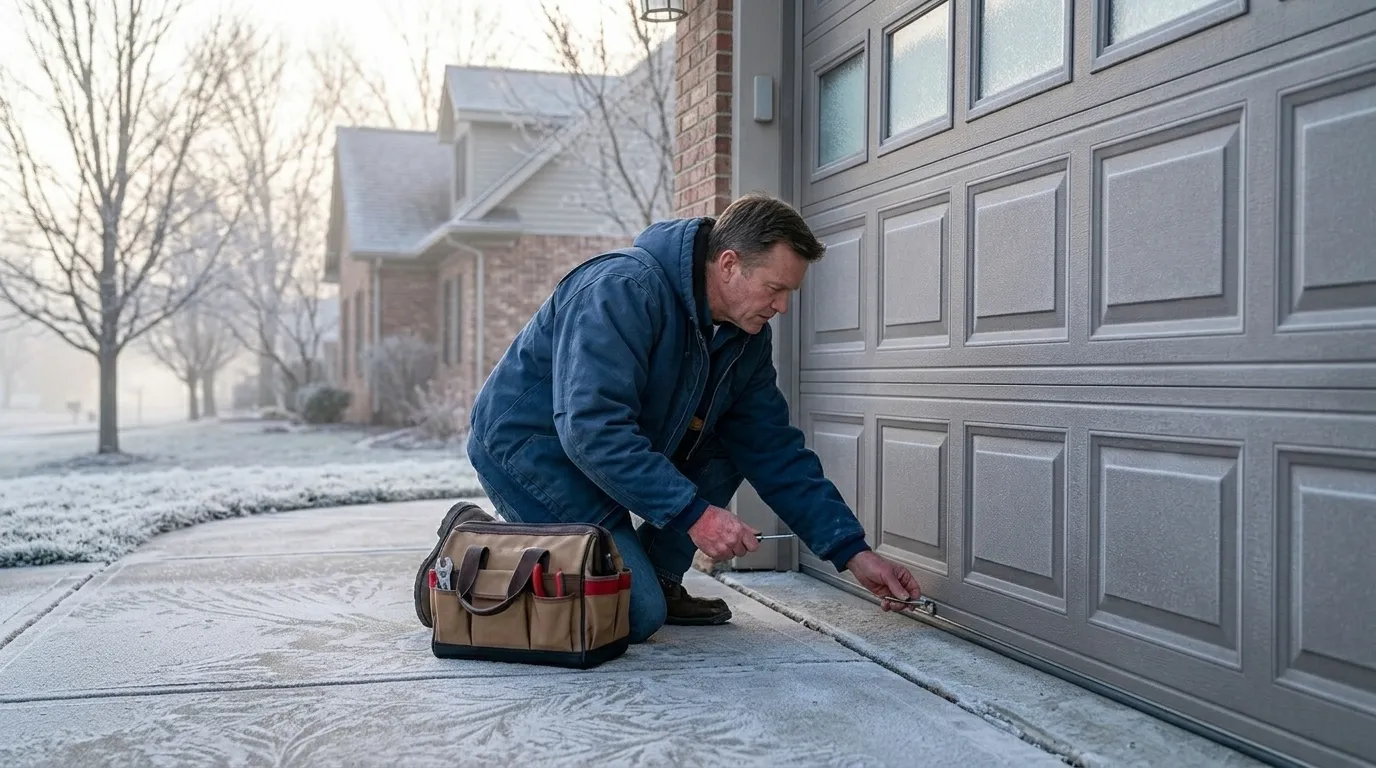
Garage Door Service
Tune-ups, lubrication, and safety checks that catch a small problem before it becomes a service call.
Learn more →Frequently Asked Questions
My house was built in the late 1990s and the door still works - do I need to worry?
Not urgently, but it's worth a look. A door that age, built in the mid-to-late 1990s window common across this area, is well past the typical lifespan for its original spring and rollers even if it hasn't shown symptoms yet. A quick check now is cheaper than an emergency call later.
Is it cheaper to fix an old door or replace it?
Depends what's failing. A single worn spring or a roller set on an otherwise sound door is usually a straightforward repair. Once the opener, springs, and rollers are all near end-of-life together, which happens often with houses from the 1986-2006 build era, replacement often costs less over a few years than repeated part-by-part fixes.
Does the coastal air really affect the door that much?
Yes. Mild winters here mean less freeze stress, but the humidity and salt air work on metal hardware year-round. Spring coils, hinge pins, and track bolts corrode faster than they would inland, which is often why an older door's hardware seizes even when the spring itself isn't fully worn out.
Get Started
Have a Door That Needs a Second Opinion?
Call and describe what it is doing - we will tell you what it likely is.