
Myrtle Beach Garage Door Guide
When the Opener Quits or the Power Drops in Myrtle Beach
Openers built alongside Myrtle Beach's 1986-2006 housing boom are aging out together. Here's what fails first, what to check, and what the mild coastal climate does to the parts.
- Licensed & Insured
- Same-Area Service Calls
- Upfront Pricing
When to Get Help
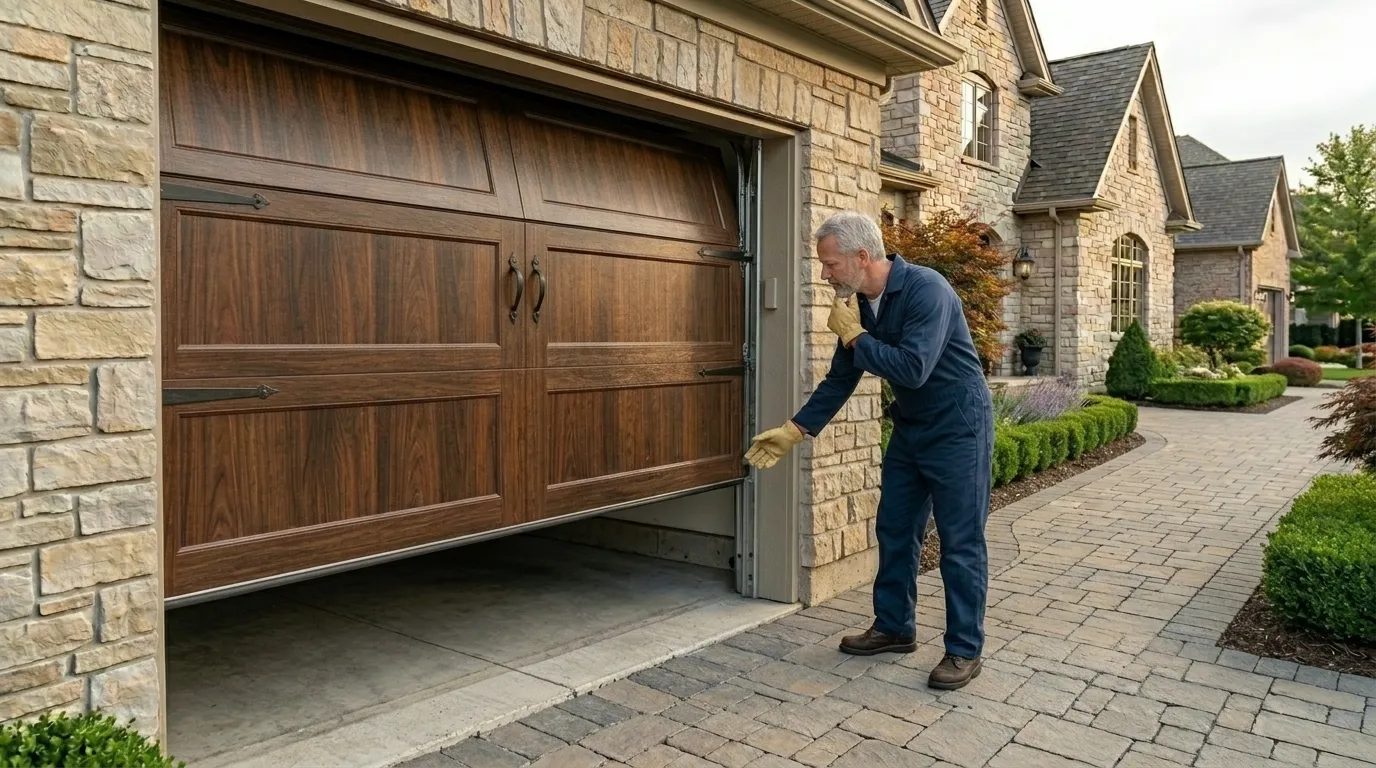
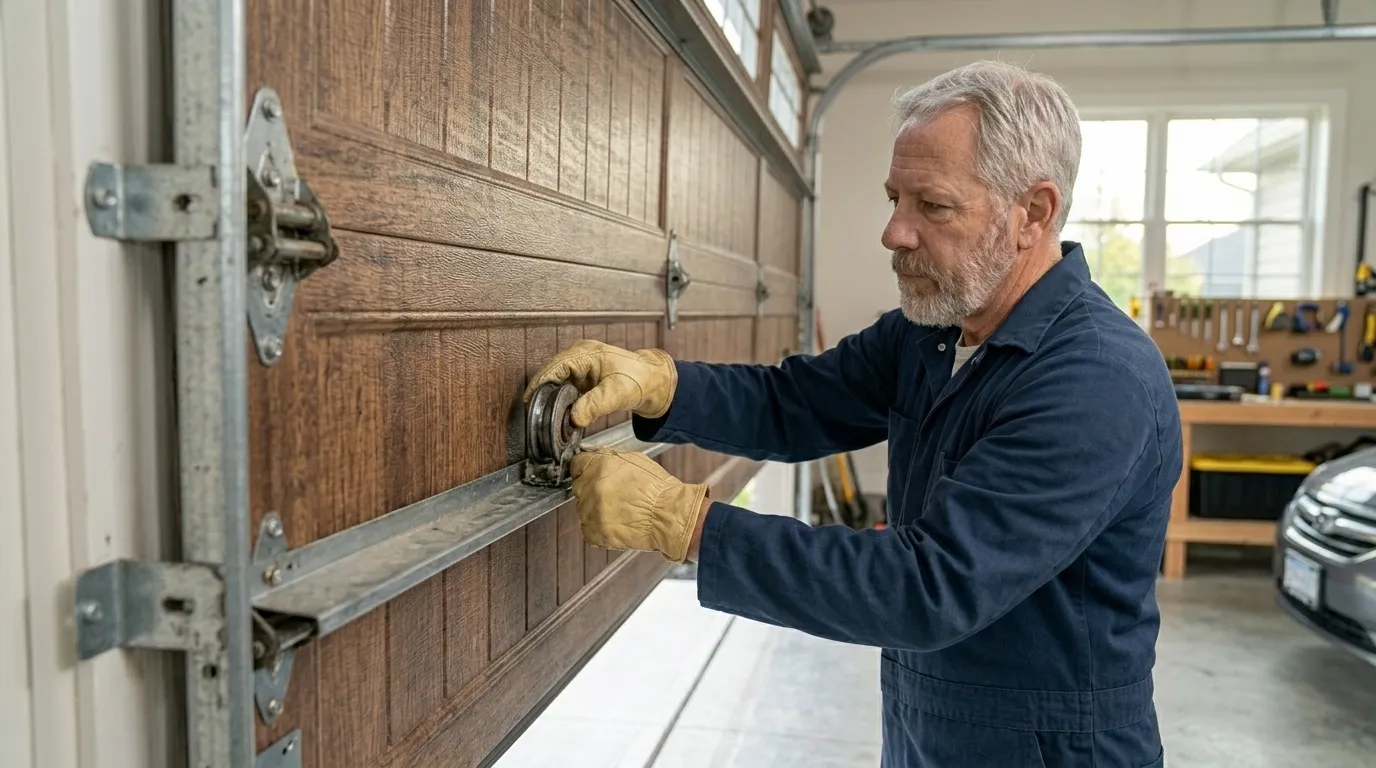
If the opener hums but the door doesn't move, that's usually the motor trying to push a mechanism that's already binding somewhere else - a bent track, a spring that's lost tension, or a gear set worn past its life. Don't keep hitting the button. Repeated tries on a stalled motor burn out the circuit board, and board replacements for openers from the 1990s and early 2000s are getting harder to source because a lot of that hardware is out of production.
Get someone out the same day if the door won't respond to either the wall button or the remote, if it reverses before touching the floor, or if you smell anything hot near the motor unit. Those point to an electrical fault, not just a worn part, and running it again risks the board entirely.
If it's just slow, noisy, or occasionally skips a photo-eye reading, that's worth a call but not an emergency. A lot of Myrtle Beach houses in this age bracket are hitting opener end-of-life around the same stretch of years, so if yours is acting up, don't be surprised if it's the second or third call like it on the street that month.
What to Check
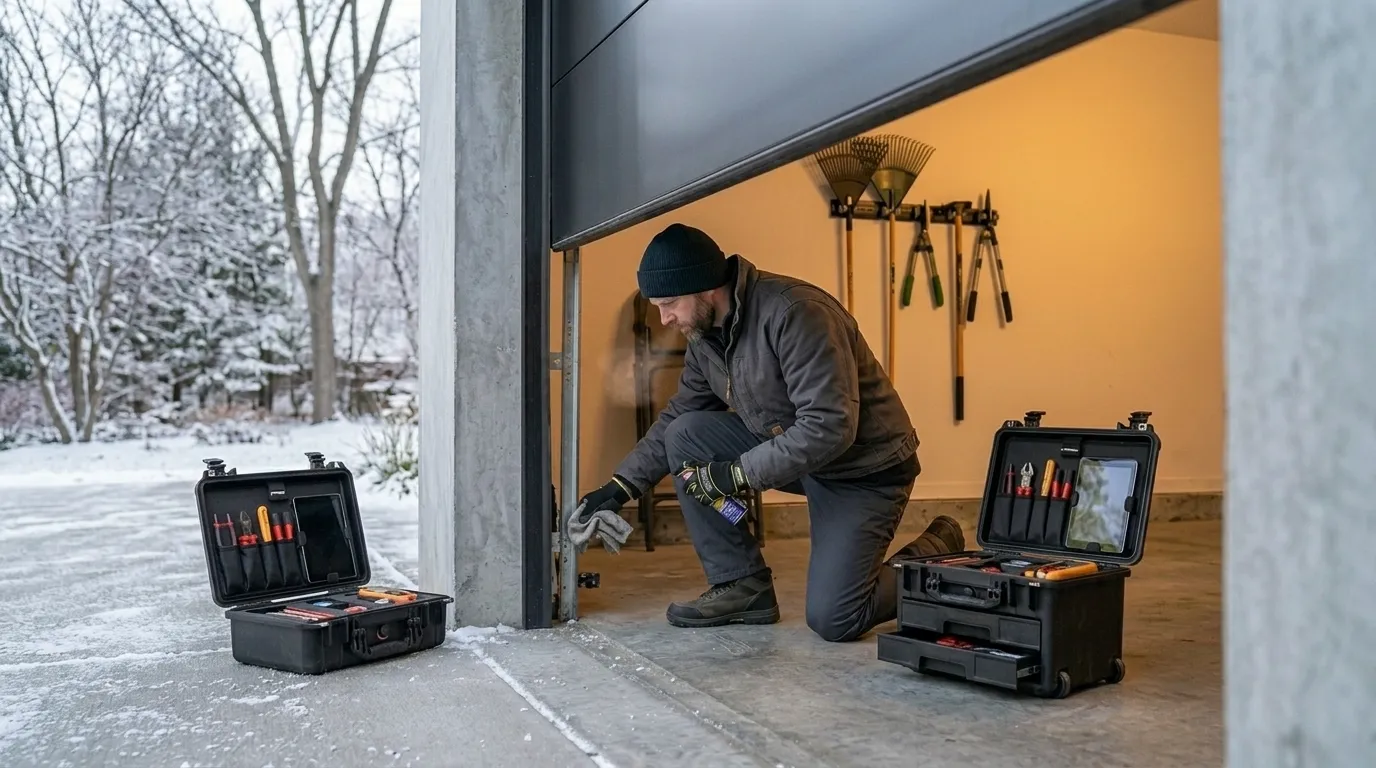
Start at the breaker box before you assume the opener itself is dead - a tripped breaker or a loose outlet connection looks identical to a failed motor from where you're standing in the garage. Next, check the manual release cord (the red handle hanging from the trolley). If someone pulled it during a power cut and never reset it, the opener will run but the door won't engage.
Look at the photo-eye sensors near the floor on each side of the track. On houses built in the 1986-2006 window, these were often added or retrofitted rather than built in from day one, and the brackets holding them are usually thin metal that shifts with a bump from a bike or a trash can. A sensor even slightly out of alignment will stop the door from closing at all.
If there's a battery backup box mounted near the opener, check whether the light on it is green or red. Not every house in this area has one installed - it depends on when the opener itself was last replaced - and a dead backup battery means a power cut takes the whole system down with it, remote included.
The Problem
Housing across this service area mostly went up between 1986 and 2006, with the median build year sitting around 1995. That matters for openers because most of what's still running is original or close to it - chain-drive units with a simple circuit board, a keypad, and maybe a wall button, built before battery backup was standard equipment and before some of the newer photo-eye and reversal requirements existed. A lot of these units work fine day to day and then fail all at once when a board component finally gives out.
The other piece is that entire pockets of this area were built in tight windows - subdivisions that went up over a handful of years rather than trickling in over decades. That means openers installed at construction don't fail one house at a time; they fail in clusters, often within a year or two of each other, because they're the same part running the same number of open-close cycles since the same year.
We don't carry every legacy control board for units this old - some of the 1990s-era models used proprietary boards that the manufacturer stopped making years ago. When that's the case, replacing the opener outright is usually cheaper and faster than chasing a part that may not exist anymore.
What Local Conditions Do
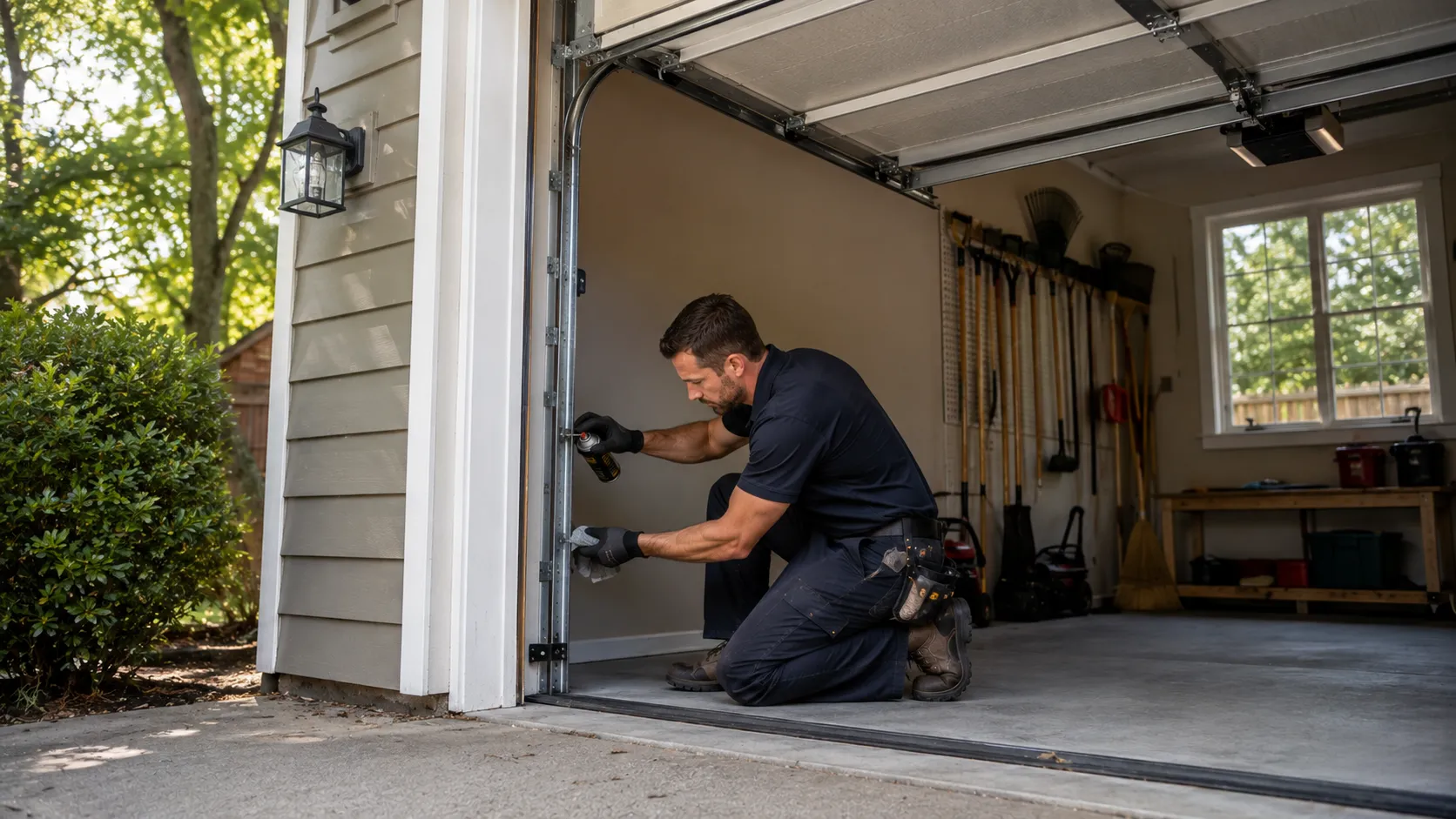
This stretch of coast sits in a mild climate with only occasional freeze nights - nothing like the hard winters that crack plastic gears and stiffen lubricant for weeks at a stretch further inland. That's good news for opener life overall, but it doesn't mean zero effect. On the handful of nights each winter that do dip below freezing, grease inside an older gearbox can thicken enough to make the motor strain on the first cycle of the morning, which is often mistaken for a dying motor when it's really just cold lubricant.
More of the wear here comes from the opposite direction - humidity and heat working on circuit boards and battery backup units year-round. Moisture intrusion into an opener's control box is a slower failure than a cold snap, but it's a steadier one, and it's part of why boards on houses from the 1986-2006 building wave are reaching the end of their working life now, regardless of how well they were maintained.
During a power cut, the manual release is your only way to move the door until power's back or a backup battery kicks in - worth knowing where that cord is before you need it in the dark.
How We Can Help
Garage Door Repair
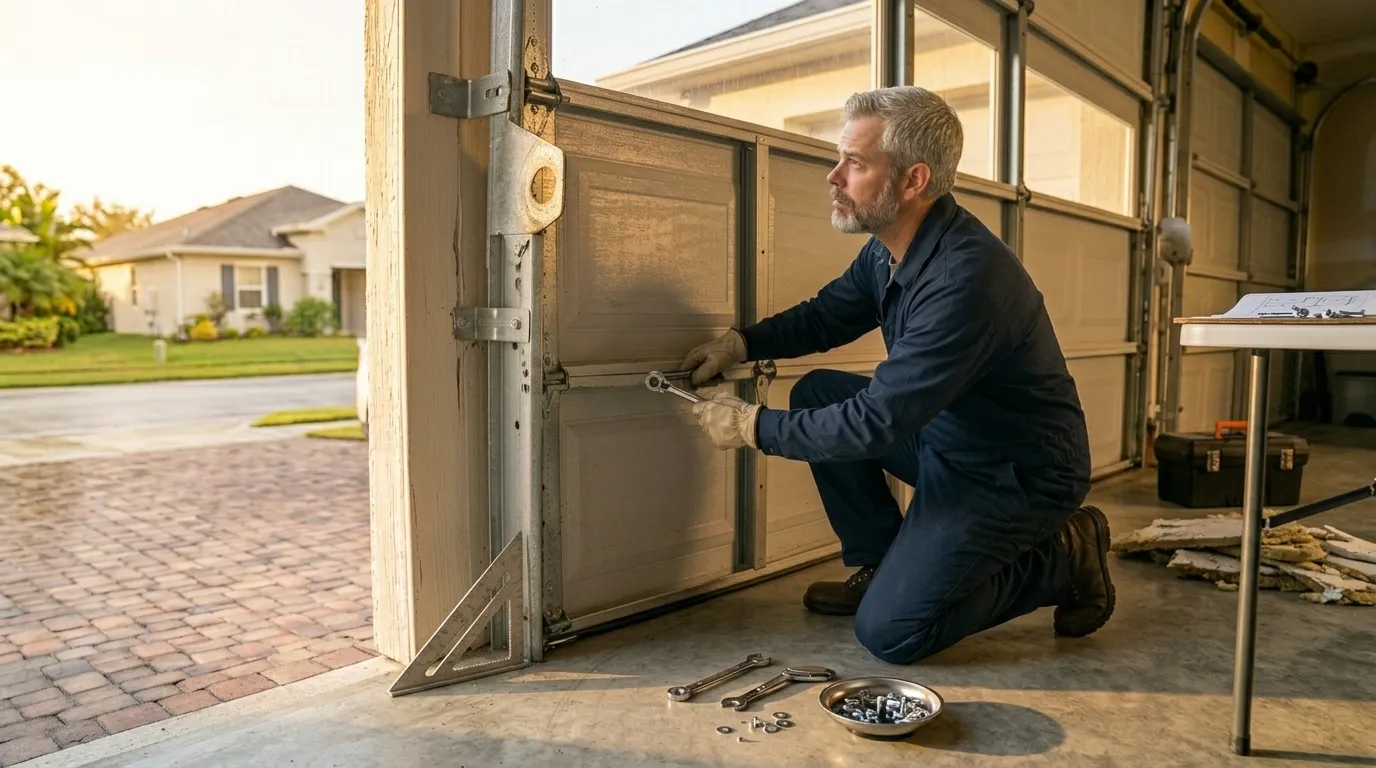
Springs, cables, tracks, rollers, and openers fixed by a tech who explains the problem before touching anything.
Learn more →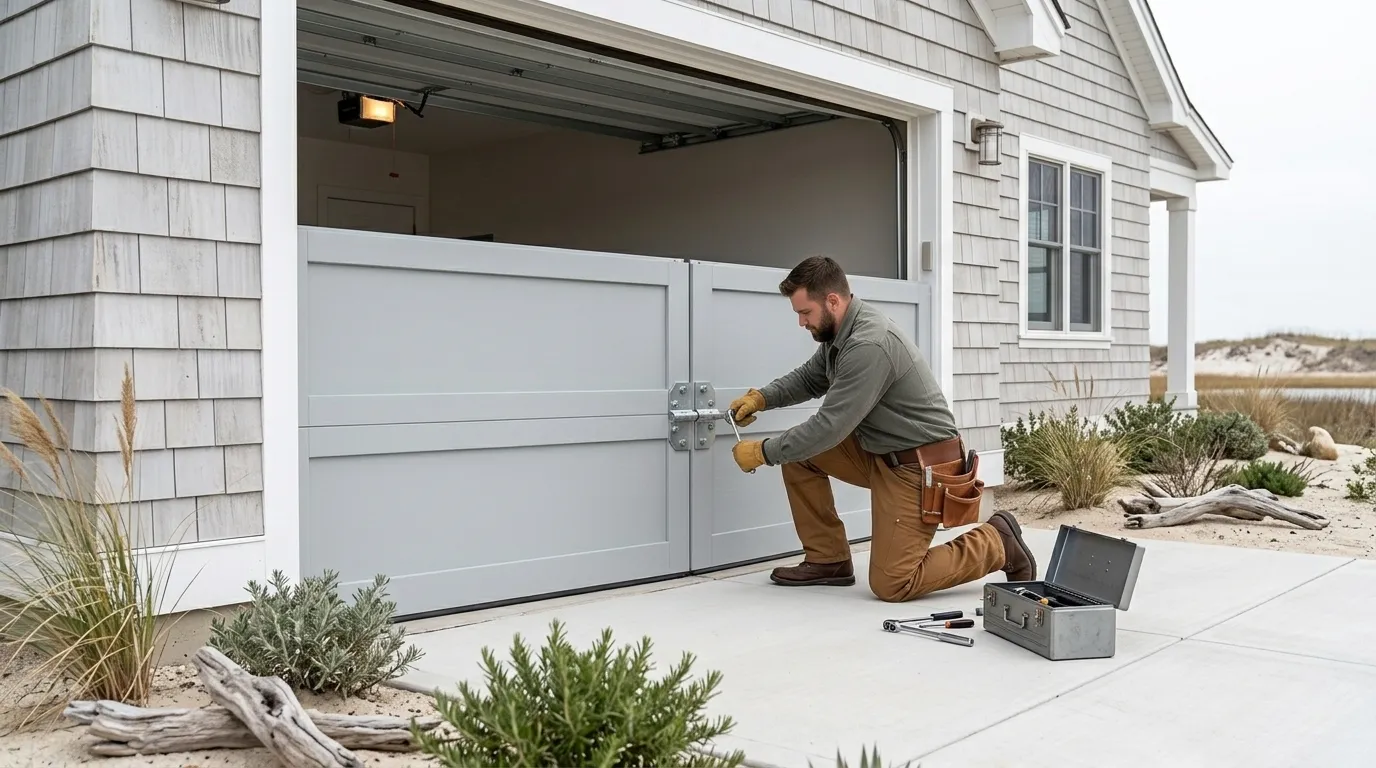
Garage Door Installation
New sectional doors sized and installed for the housing stock actually built in this area.
Learn more →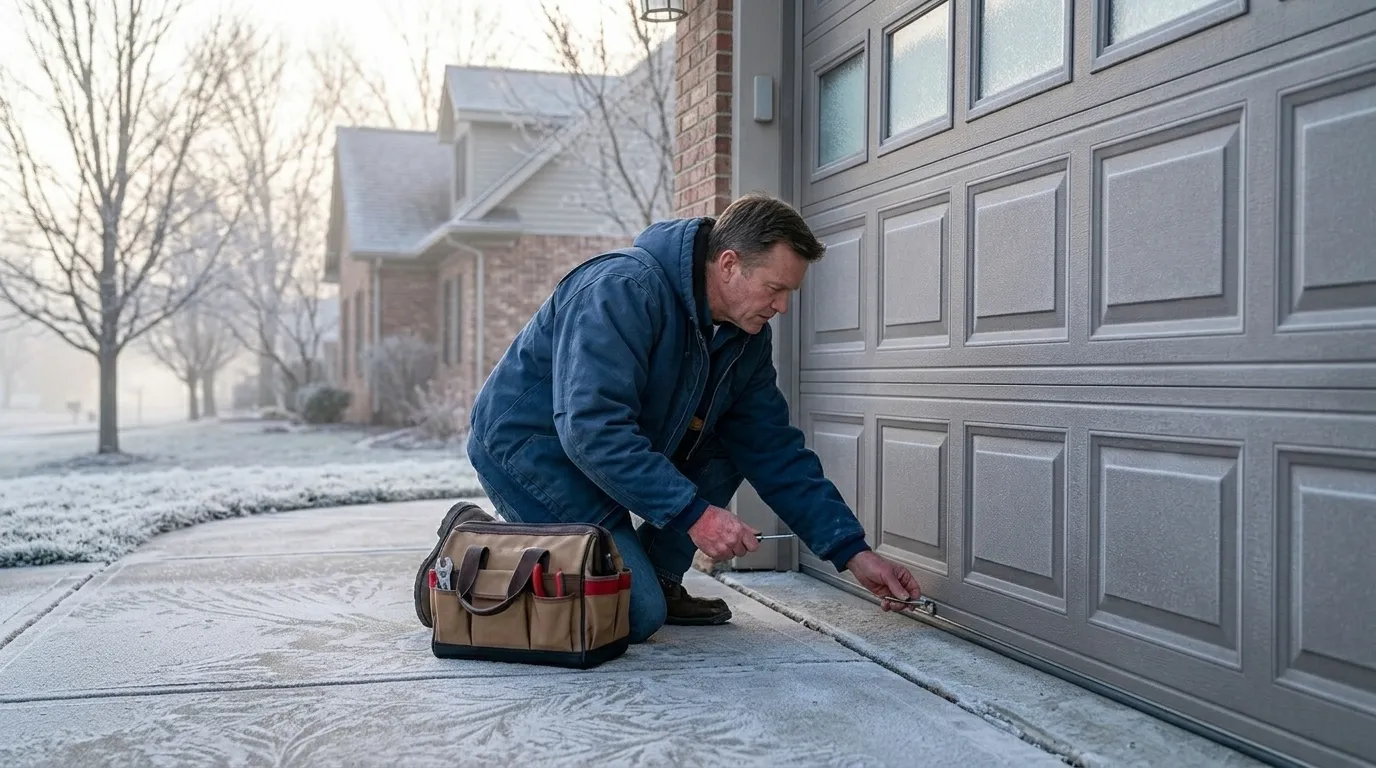
Garage Door Service
Tune-ups, lubrication, and safety checks that catch a small problem before it becomes a service call.
Learn more →Frequently Asked Questions
Why did my opener stop working right after the power came back on?
Openers sometimes lose their programmed position when power drops mid-cycle, which can make the door stop short or reverse unexpectedly on the next try. If yours is an older unit without battery backup, a hard power cut can also trip an internal safety fault that needs a manual reset at the wall control.
Is it worth adding battery backup to an older opener?
If your opener predates when backup batteries became common, in most cases the whole unit is close enough to end-of-life that replacing it with a newer model - battery backup included - makes more sense than adding a battery kit to a motor and board that are already twenty-plus years old.
Why does my door stick on cold mornings but not other times?
Even in a mild climate, the handful of freeze nights each winter thicken grease inside an aging gearbox enough to make the first cycle of the day sluggish. It usually loosens up after one or two opens. If it's happening every cold morning, the gearbox grease likely needs replacing, not just a general lube job.
Get Started
Have a Door That Needs a Second Opinion?
Call and describe what it is doing - we will tell you what it likely is.